
How to Plan Bulk Food Orders for Events
Planning a large gathering in Bangalore? Get practical tips on quantity, menu, budget and delivery for bulk food orders.

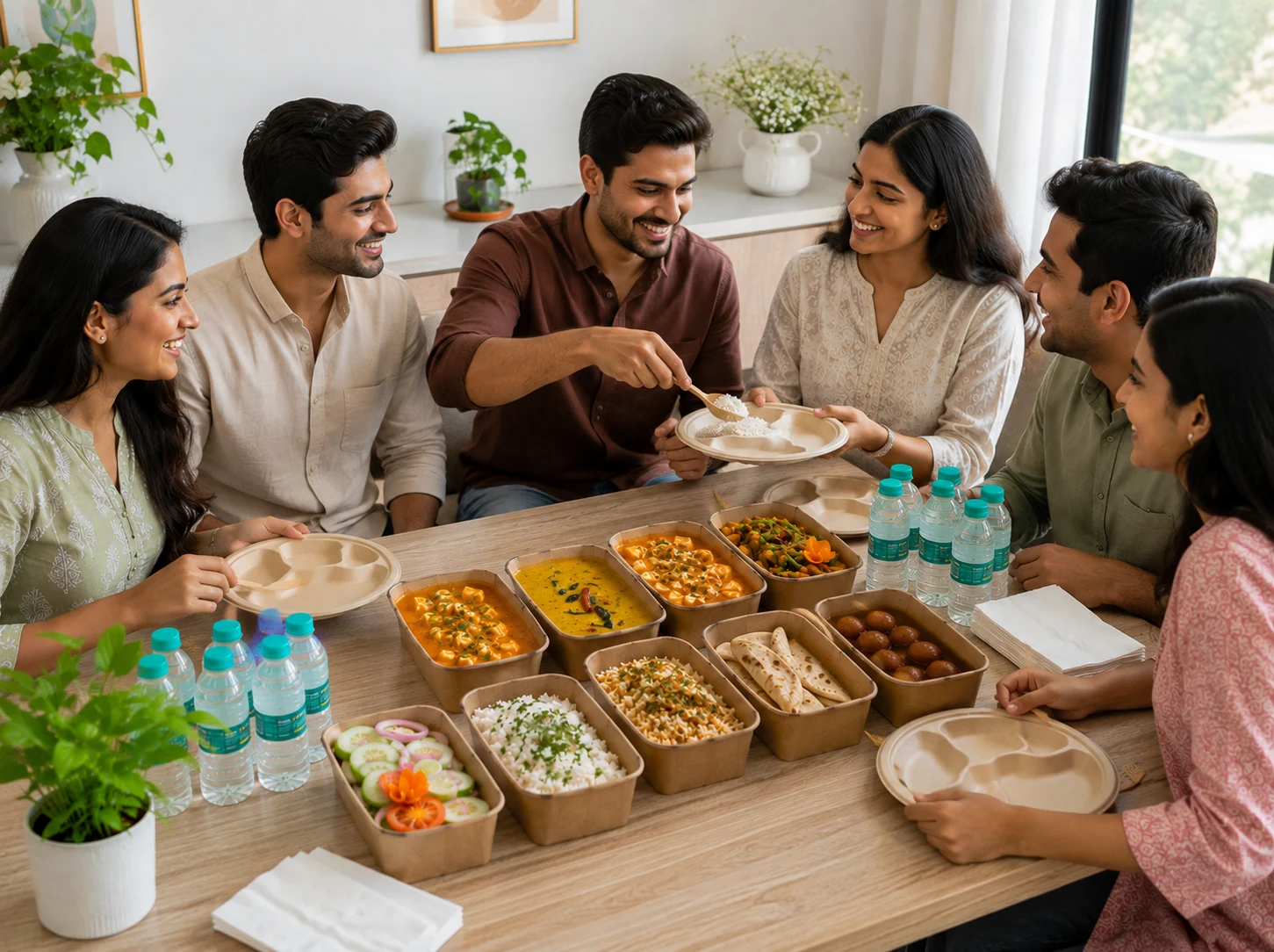
Planning food for a large gathering can be more complicated than preparing meals for a small group. Whether you are arranging food for a birthday party, family function, office gathering, religious event or a casual get-together, ordering the right quantity is important. Too little food can leave guests unsatisfied, while ordering too much can increase expenses and unnecessary wastage. This is where Bulk Food Delivery in Bangalore can make event food planning easier. With proper planning, you can select suitable dishes, estimate portions, manage your budget and arrange delivery according to your event schedule.
Start With the Number of Guests
The first step in planning a bulk food order is estimating how many people will actually eat. Your guest count should be as accurate as possible because food quantity depends heavily on the number of people being served. If you are organising a family gathering, for example, you may have adults, children and elderly guests with different eating habits. Corporate meetings may also require different quantities depending on whether the food is being served as a complete meal or as refreshments.
It is also useful to consider whether all guests will be eating at the same time. Some events have staggered meal timings, while others involve continuous serving throughout the event. Make a guest list and divide it into approximate categories where necessary. Having a realistic estimate makes it easier to plan your Bulk Food Delivery order without unnecessarily over-ordering.
Decide Whether You Need a Full Meal or Selected Dishes
Not every event requires a complete meal. Before placing your order, decide what type of food arrangement suits the occasion. A full meal may include rice, breads, curries, vegetables, dal, sides, desserts and other accompaniments. On the other hand, a smaller gathering may only need a few main dishes along with snacks or beverages.
For office meetings, you might need individual meal combinations that are easy to distribute. For family functions, a larger shared meal may be more suitable. Birthday parties and informal gatherings may require snacks, main courses and desserts rather than a traditional meal. Defining the food format first helps you avoid ordering dishes that guests may not need and allows you to spend more of your budget on the items that matter most.
Choose the Menu Based on the Occasion
The type of event should influence your menu choices. Food for an office lunch may be different from food served at a birthday celebration or family function. When selecting dishes, think about what is practical to serve in larger quantities and what will remain suitable during the expected serving period.
A good bulk menu usually has a balance of main dishes, sides and accompaniments. You can also consider having a combination of familiar favourites and a few different options. If you know your guests have particular food preferences, take those into account before finalising the order. A simple and well-planned menu is often easier to manage than a very large selection of dishes.
Consider Vegetarian and Non-Vegetarian Requirements
Guest preferences can vary significantly at large gatherings. Some people may prefer vegetarian food, while others may expect non-vegetarian options. Dietary preferences should therefore be considered before placing a bulk order rather than being treated as an afterthought.
If both vegetarian and non-vegetarian food are being served, plan separate quantities for each category based on the expected number of guests. You should also consider how the food will be served and whether separate serving arrangements are required. Clear planning can reduce confusion during the event and make the meal more comfortable for guests with different preferences.
Estimate Portions Carefully
Portion planning is one of the most important parts of ordering food for a large group. Simply multiplying a small household meal by the number of guests may not give an accurate estimate because people eat different amounts depending on the type of dish, time of day and event format.
For example, main-course items may need larger quantities than side dishes. Snacks may require different calculations depending on whether they are being served before a full meal or as the main food at a casual gathering. Children may also consume smaller portions than adults. If you are unsure about quantities, discuss your guest count, menu and serving format with the food provider before confirming the order.
Keep Your Budget in Mind
Bulk ordering can help simplify event food planning, but your total cost still depends on the number of guests, dishes selected, portion sizes and additional requirements. Set a realistic food budget before choosing the final menu.
Instead of selecting a large number of dishes, consider choosing a smaller combination that covers the needs of your guests well. For example, you could prioritise one or two main dishes, suitable sides, an accompaniment and a dessert instead of ordering several similar items. A clear budget also makes it easier to compare different menu options and avoid last-minute changes that may increase costs.
Plan Delivery Around Your Event Schedule
Timing is especially important when arranging bulk food. Food that arrives too early may require suitable holding arrangements, while late delivery can disrupt the entire event schedule. Before confirming your order, decide when the food should ideally arrive and how much time you need for setup and serving.
Consider the event's start time, meal time, venue access and serving arrangements. If the gathering is being held at a location with restricted access or specific entry timings, those details should be communicated in advance. Good coordination between the event organiser and food provider can help make the delivery process smoother.
Think About Food Storage and Serving
Ordering food is only one part of the process. You should also think about where the food will be placed once it arrives and how it will be served. Large orders may require enough table space, serving utensils, plates, bowls and other essentials depending on the arrangement.
For longer events, maintaining appropriate food-handling conditions is also important. Hot food should be managed appropriately, and dishes should not simply be left exposed for extended periods. If you are organising a large event, prepare the serving area before the food arrives so that the meal can be arranged efficiently.
Avoid Ordering More Food Than You Need
Many hosts intentionally order significantly more food because they are worried about running out. While having a reasonable buffer can be sensible, excessive over-ordering can create unnecessary expenses and food waste.
A better approach is to estimate the guest count carefully and understand how the menu will be served. If the event includes several dishes, guests may naturally take smaller portions of each item. Similarly, if snacks are being served before the main meal, the quantity required for the main course may differ from what you initially expect.
The goal is not simply to order the maximum possible amount. The goal is to provide enough food for guests while making responsible use of your budget and resources.
When Is Bulk Food Delivery Useful?
Bulk Food Delivery can be useful for many situations where preparing food independently would require significant time, equipment and coordination. It can be considered for office meetings, birthday celebrations, family gatherings, small functions, community events, religious occasions and other group meals.
It is particularly helpful when the organiser wants to focus on guests and event arrangements rather than spending hours preparing food. Instead of coordinating ingredients, cooking, portioning and transportation separately, a planned food order can simplify several parts of the process.
However, the right approach depends on the size and nature of the event. Always consider your guest count, menu requirements, budget, delivery timing and serving setup before placing an order.
A Simple Checklist for Your Bulk Food Order
Before confirming your order, check the following:
- Final number of guests
- Number of adults and children
- Vegetarian or non-vegetarian requirements
- Type of meal required
- Number of main dishes
- Side dishes and accompaniments
- Dessert or sweet requirements
- Expected serving time
- Delivery location and access instructions
- Budget per person
- Serving and storage arrangements
- Any special dietary requirements
- Extra quantity required as a reasonable buffer
This checklist can help you identify potential problems before the order is placed. It also makes communication with the food provider easier because you already have the essential details prepared.
Conclusion
Planning food for a large gathering does not have to be complicated when you break the process into manageable steps. Start with an accurate guest count, choose a practical menu, estimate portions carefully and set a clear budget. You should also plan delivery timing, serving arrangements and dietary requirements before confirming your order.
For events where cooking for a large group is inconvenient, Bulk Food Delivery in Bangalore can be a practical option to consider. The key is to order according to your actual event requirements rather than simply choosing the largest quantity available. With thoughtful planning, you can serve a satisfying meal while keeping costs, logistics and food wastage under control.
Frequently Asked Questions
How much food should I order for a large gathering?
The quantity depends on the number of guests, type of meal, menu and serving format. A full meal generally requires different quantities from a snack-only gathering, and children may consume less than adults. It is also important to consider whether several dishes will be served together because guests may take smaller portions of each item. Start with an accurate guest count and discuss the menu with your food provider if you are uncertain about portion sizes. A reasonable buffer can be included for unexpected guests, but excessive over-ordering should be avoided because it can increase costs and lead to unnecessary food waste.
What types of events are suitable for bulk food orders?
Bulk food orders can work well for many group occasions, including birthday parties, family gatherings, office meetings, corporate events, religious functions, community gatherings and casual get-togethers. They can be particularly useful when the organiser does not have the time, kitchen space or resources needed to prepare food for a large number of people. The menu can be planned according to the occasion, guest preferences and serving format. Before ordering, consider the number of people, meal timing, food preferences, budget and venue arrangements so that the order matches the actual needs of the event.
How can I reduce food wastage when ordering food in bulk?
The best way to reduce food wastage is to estimate your guest count carefully and avoid ordering excessive quantities simply because you are concerned about running out. Consider the number of dishes being served, the meal timing and whether snacks or other food will be available before the main meal. A varied menu can also affect portion sizes because guests may take smaller amounts of several dishes. If you regularly organise events, keeping notes about actual consumption from previous gatherings can help you make better estimates for future orders.
Should I order different dishes for a large group?
A large menu is not always necessary. The ideal number of dishes depends on the occasion, guest preferences and budget. A smaller selection of well-chosen dishes can often be easier to manage and may reduce both cost and food wastage. When selecting a menu, focus on variety without choosing too many items that serve the same purpose. For example, you can combine a few main dishes with appropriate sides and accompaniments. For larger events, it can also be useful to consider vegetarian and non-vegetarian preferences separately so that everyone has suitable options.
What should I check before confirming a bulk food order?
Before confirming your order, verify the guest count, menu, quantities, price, delivery time and delivery location. You should also communicate any vegetarian, non-vegetarian or special dietary requirements in advance. Ask how the food will be packed and whether the serving arrangement requires any additional preparation. If the event is taking place at a venue with specific access timings, provide those details as well. Reviewing these points before confirmation can help prevent misunderstandings and make the delivery process easier on the day of your event.
Author
Get Stories and special offers delivered Right to your Inbox
Frequently
asked questions
How do I place an order on EZGatherr?
You can browse menus and services, select your requirements, and place an order directly through the platform. Our team may connect with you to finalize details.
Is there a minimum order requirement?
We dont have the concept of Minimum order quantities however we do have Minimum order value which is INR3000/-
How early should I book my event?
We recommend booking at least 2days in advance for small catering events however all delivery orders can be booked a day prior. Pooja & Event services should be booked 3days in advance.
Can I customize the menu or services?
Yes, we offer flexibility to customize menus, portion sizes, and service inclusions based on your preferences.
When is my order confirmed
Your order is confirmed once the required advance payment is completed and you receive a booking confirmation from our team.