
How to Plan Food for a Birthday Party at Home
Learn how to plan birthday party food at home, including menu ideas, portions, drinks, cake, dietary needs, budgeting, and easy preparation tips

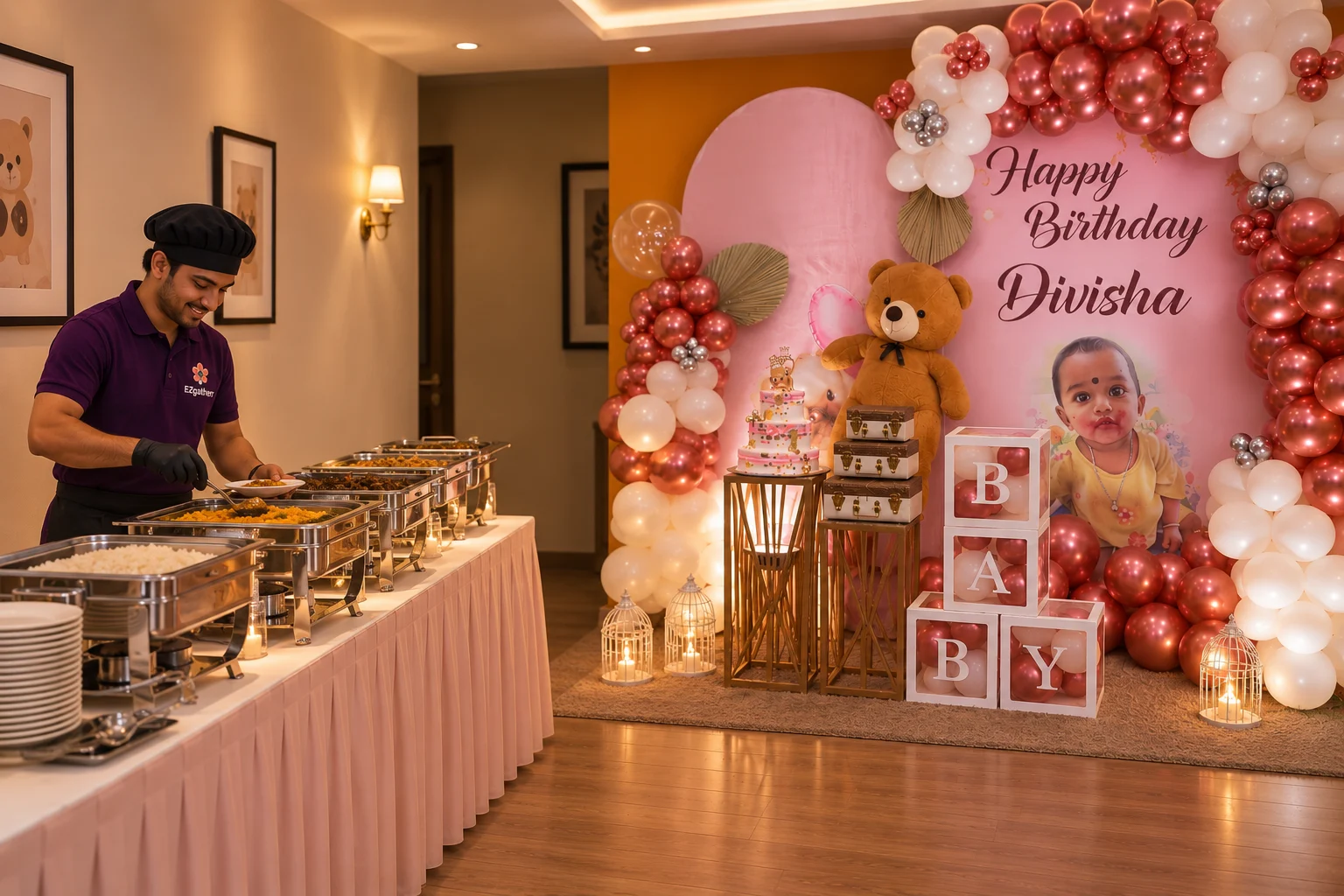
Planning food for a birthday party at home can feel simple at first, but the details quickly add up. You need to think about the number of guests, age groups, meal timing, menu variety, portions, drinks, desserts, and the available kitchen space. A good menu does not have to be complicated or expensive. With some practical planning, you can serve food that guests enjoy while keeping preparation and waste under control.
Start With the Guest List
The first step is to know approximately how many people will attend. Your guest count affects almost every food decision, from the amount of snacks to the quantity of the main course. Make a list of adults and children separately because their eating patterns can differ. Also consider whether some guests may arrive late or leave early. Having a reasonably accurate headcount makes shopping, cooking, ordering, and portion planning much easier.
Decide the Party Timing
The time of the birthday party should influence the type of food you serve. A late-morning gathering may need breakfast or brunch items, while an afternoon party can focus on snacks, drinks, and cake. If the celebration overlaps with lunch or dinner, guests will generally expect a more substantial meal.
Planning the menu around the party schedule prevents you from preparing too much food unnecessarily. It also helps you decide how many courses are actually needed.
Choose a Practical Menu
A birthday menu does not need ten or fifteen dishes to feel special. A few well-chosen options can create a satisfying meal without making preparation difficult. Consider one or two starters, a main dish, a carbohydrate such as rice or bread, an accompaniment, and dessert.
For children's parties, include familiar foods that are easy to eat. For adult gatherings, you can add more variety based on the guests' preferences. Keep the overall menu balanced rather than selecting dishes randomly.
Plan Snacks and Starters
Snacks are particularly important when guests arrive at different times. They give people something to eat while the party gets underway and can be served without interrupting other activities.
Choose snacks that are relatively easy to portion and serve. Sandwiches, rolls, cutlets, savouries, pakoras, mini wraps, or similar finger foods can work depending on the occasion. Try not to select too many items that require last-minute frying or complicated preparation because this can keep the host stuck in the kitchen.
Keep Children's Food Simple
If children are attending the birthday party, consider their preferences separately from the adult menu. Younger guests may prefer familiar flavours and foods that can be eaten without much effort.
Items such as mini sandwiches, noodles, small pizzas, wraps, fries, fruit portions, or simple snacks can be easier for children to handle. Avoid making the children's menu excessively spicy unless you know the guests prefer it. Keeping a few straightforward choices available can also reduce the amount of untouched food.
Include Food for Adult Guests
Adults attending a children's birthday party may appreciate a slightly wider selection. Depending on the party timing, you could provide snacks and beverages or arrange a complete meal.
If the event is for adults, consider the overall nature of the celebration before selecting dishes. A casual evening gathering may work well with finger foods and a few substantial dishes, while a longer celebration around lunchtime may call for a complete meal. The menu should match the occasion rather than simply becoming larger.
Estimate Portions Carefully
One of the most common food-planning mistakes is preparing quantities without considering the entire menu. If you serve several starters, guests may eat less of the main course. Similarly, a substantial dessert or birthday cake can reduce the demand for other sweets.
Estimate portions based on the number of guests, meal timing, age group, and menu variety. It is sensible to have a small margin for unexpected guests, but excessive quantities can result in unnecessary expense and food waste.
Plan the Birthday Cake Separately
The birthday cake is usually the centre of the celebration, so it deserves separate planning. Think about the number of people who will receive a slice and whether other desserts will also be available.
Choose a cake size appropriate for the guest count rather than automatically ordering a very large cake. If children are attending, consider flavours and designs that suit them. Also remember practical details such as cake storage, cutting space, plates, knives, and serving time.
Think About Drinks and Beverages
Drinks can easily be overlooked when planning party food. Depending on the weather and type of celebration, you may offer water, juices, soft drinks, lemonade, mocktails, tea, or coffee.
Keep water readily available throughout the event. For outdoor or summer birthday parties, guests may need more beverages than expected. If children are attending, avoid relying entirely on sugary drinks and include water as an easy-to-access option.
Consider Dietary Preferences
A mixed guest list can include people with different dietary preferences. Before finalizing the menu, ask whether anyone has important food restrictions or follows a particular diet.
Vegetarian food is common at many Indian celebrations, while some guests may prefer Jain, vegan, or other specialized options. Allergy-related requirements deserve particular attention because preparation and cross-contact may need to be considered. Discussing these needs beforehand is much easier than trying to make changes during the party.
Prepare a Shopping List
Once the menu is finalized, make a detailed shopping list. Divide it into categories such as vegetables, fruits, dairy products, grains, snacks, beverages, baking supplies, and disposable serving materials.
Check what you already have at home before buying everything again. It can also help to purchase non-perishable ingredients earlier and leave fresh produce and other short-life items for closer to the event. A written list reduces forgotten ingredients and unnecessary duplicate purchases.
Decide What to Cook and What to Order
You do not have to prepare every dish yourself. A practical birthday menu can combine homemade items with professionally prepared food.
For example, you might prepare simple snacks and drinks at home while ordering the main meal. This can reduce pressure on the host, particularly when the guest count is large. If you prefer professional assistance, Birthday Party Catering in Bangalore can be considered when planning food for a larger celebration or when you want to spend less time managing the kitchen.
Use Birthday Party Catering When It Makes Sense
Professional catering can be useful when cooking for a group would take too much time or when the host wants to focus on guests. Depending on the selected service, catering may provide prepared food, delivery, setup, or other support.
For larger celebrations, Birthday Party Catering can simplify food preparation and portion planning. The important thing is to compare the menu, quantity, delivery arrangements, service inclusions, and total price before confirming an order.
Plan the Serving Arrangement
Food should be easy for guests to access. Decide whether you want a buffet, table service, individual portions, or a combination of different formats.
Keep frequently used items such as plates, spoons, tissues, and drinking glasses in an accessible location. Separate children's food if necessary. If you are serving hot dishes, think about where they will be placed and how they can remain suitable for serving throughout the meal.
Prepare Some Food in Advance
Trying to cook everything immediately before guests arrive can make the party stressful. Look at the menu and identify dishes that can be prepared earlier.
Some ingredients can be chopped, sauces prepared, desserts refrigerated, and snacks assembled ahead of time. Keep a simple schedule showing what needs to be completed the previous day, on the morning of the party, and shortly before guests arrive. This leaves fewer tasks competing for your attention during the celebration.
Avoid Too Many Complicated Dishes
A large menu may sound impressive, but complicated recipes can create unnecessary pressure. If several dishes require constant attention, the host may spend most of the party cooking instead of enjoying it.
Choose recipes that can be prepared in reasonable quantities and served easily. A smaller menu with dependable dishes is often more practical than a large selection that requires extensive last-minute work. Your goal should be a comfortable celebration, not a restaurant-style kitchen operation at home.
Plan for Food Storage and Leftovers
Think about leftovers before the party even begins. Keep suitable food containers ready so remaining food can be stored safely after the celebration.
Avoid leaving perishable foods at room temperature for unnecessarily long periods. During warm weather, this becomes especially important. If you expect significant leftovers, plan how they will be refrigerated and distributed. Good planning can reduce waste and help you avoid discovering a refrigerator full of unorganized containers after the guests leave.
Create a Simple Food Budget
Set a food budget before choosing the menu. Divide the expected spending between snacks, main dishes, cake, beverages, desserts, and serving supplies.
If the budget is limited, prioritize the foods guests are most likely to enjoy rather than trying to include every possible dish. You can also compare homemade preparation with catering or delivered food. The cheapest option is not always the most practical if it requires substantial time, additional equipment, or last-minute effort.
Make Birthday Party Food Planning Easier
Effective birthday party food planning is mainly about balancing variety with practicality. Start with the guest list and party timing, then choose a manageable menu and estimate portions carefully. Consider dietary requirements, children's preferences, drinks, cake, and serving arrangements.
If the guest count becomes difficult to manage at home, professional catering can take some of the workload away. The objective is not simply to put more dishes on the table; it is to create a meal that fits the occasion and allows the host to enjoy the celebration.
A Day-Before Birthday Food Checklist
The day before the party, review everything once more. Confirm the guest count, check ingredients, refrigerate items that need chilling, prepare make-ahead dishes, and arrange serving equipment.
Make sure you have enough plates, glasses, spoons, tissues, serving bowls, and storage containers. If food is being delivered, confirm the expected delivery window. A short final check can prevent surprisingly small problems from becoming stressful on the day of the birthday party.
Final Thoughts
Planning food for a birthday party at home becomes much easier when you treat it as a series of small decisions rather than one large task. Start with the number of guests, decide what type of meal the timing requires, create a manageable menu, and calculate portions before shopping or ordering.
There is no requirement to prepare an elaborate spread. A thoughtful selection of food, suitable drinks, a well-planned cake, and an organized serving arrangement can be enough to make the celebration enjoyable. EZGatherr can be considered when you want to reduce the amount of food preparation and coordination involved in hosting a larger gathering.
Frequently Asked Questions
1. How much food should I prepare for a birthday party at home?
The quantity depends on the number of guests, their ages, party duration, timing, and menu. Consider the complete menu rather than calculating every dish independently.
2. What food is suitable for a children's birthday party?
Simple, familiar, easy-to-eat foods are generally practical. Mini sandwiches, wraps, noodles, small pizzas, snacks, fruit, and other child-friendly choices can work well.
3. Should I serve a full meal at a birthday party?
It depends on the party timing. An afternoon gathering may only need snacks and cake, while a party around lunchtime or dinner may require a complete meal.
4. How can I avoid wasting food?
Start with an accurate guest estimate, consider the entire menu when calculating portions, and avoid preparing too many similar dishes. Keeping suitable storage containers ready can also help manage leftovers.
5. Can I combine homemade food with catering?
Yes. You can prepare some dishes yourself and order other items. This approach can reduce cooking time while allowing you to include homemade food in the menu.
6. When should I finalize the birthday menu?
Ideally, finalize it early enough to check ingredients, arrange catering if required, and identify dishes that can be prepared in advance. Larger parties generally need more planning time.
7. What should I consider when ordering birthday catering?
Check the menu, guest capacity, portion sizes, delivery timing, dietary options, packaging or setup, and the complete cost. Make sure the service matches the requirements of your home venue.
8. How can I make food service easier at home?
Use a clearly organized serving area and keep plates, cutlery, tissues, and drinks nearby. Choose dishes that can be served without extensive last-minute preparation.
9. Should children's and adults' menus be different?
They can be. If the guest list includes many children, keeping a few simple child-friendly foods alongside the regular menu can make the overall meal more convenient.
10. What is the biggest mistake when planning birthday party food?
Trying to prepare too many complicated dishes is a common problem. A manageable menu with suitable portions is generally easier to execute than an unnecessarily large spread.
Author

Get Stories and special offers delivered Right to your Inbox
Frequently
asked questions
How do I place an order on EZGatherr?
You can browse menus and services, select your requirements, and place an order directly through the platform. Our team may connect with you to finalize details.
Is there a minimum order requirement?
We dont have the concept of Minimum order quantities however we do have Minimum order value which is INR3000/-
How early should I book my event?
We recommend booking at least 2days in advance for small catering events however all delivery orders can be booked a day prior. Pooja & Event services should be booked 3days in advance.
Can I customize the menu or services?
Yes, we offer flexibility to customize menus, portion sizes, and service inclusions based on your preferences.
When is my order confirmed
Your order is confirmed once the required advance payment is completed and you receive a booking confirmation from our team.