Wedding Caterers in Bangalore: The Intimate Reception for 100 and Where the Budget Really Goes
Where the budget goes at an intimate 100-guest reception, with tips for working with wedding caterers in Bangalore on service and menu.

When Ishita and Dev decided on a small wedding reception, they thought it would be simple. A hundred guests, one evening, a rented garden space in Whitefield. Less than a third of the usual numbers. Surely the planning would be a third as hard.
It was not. A small wedding has fewer guests but the same number of decisions, and the budget behaves in unexpected ways. This composite story, drawn from what couples tell us about intimate receptions, follows their choices with wedding caterers in Bangalore and shows where the money tends to go.
The Surprise of a Small Wedding
Ishita's first discovery was that per-head costs do not fall with the headcount. In fact, they often rise. A caterer's fixed costs, such as planning, transport, staff, equipment and setup, are spread across fewer people. A reception for 100 costs more per head than one for 500, even when the food is identical.
This is not a trick. It is arithmetic. And it changes how a small wedding should be planned: the question is not how to cut the budget in proportion, but where to spend carefully.
The Budget in Plain Words
Ishita and Dev's budget for food was fixed. They asked the vendor to describe how it would be used, and a pattern emerged. Roughly, the money went into five areas.
The food itself. Ingredients and cooking, which varies with menu complexity.
Staff. Service teams, a supervisor and kitchen support. Even a small event needs enough people to serve, refill and clear.
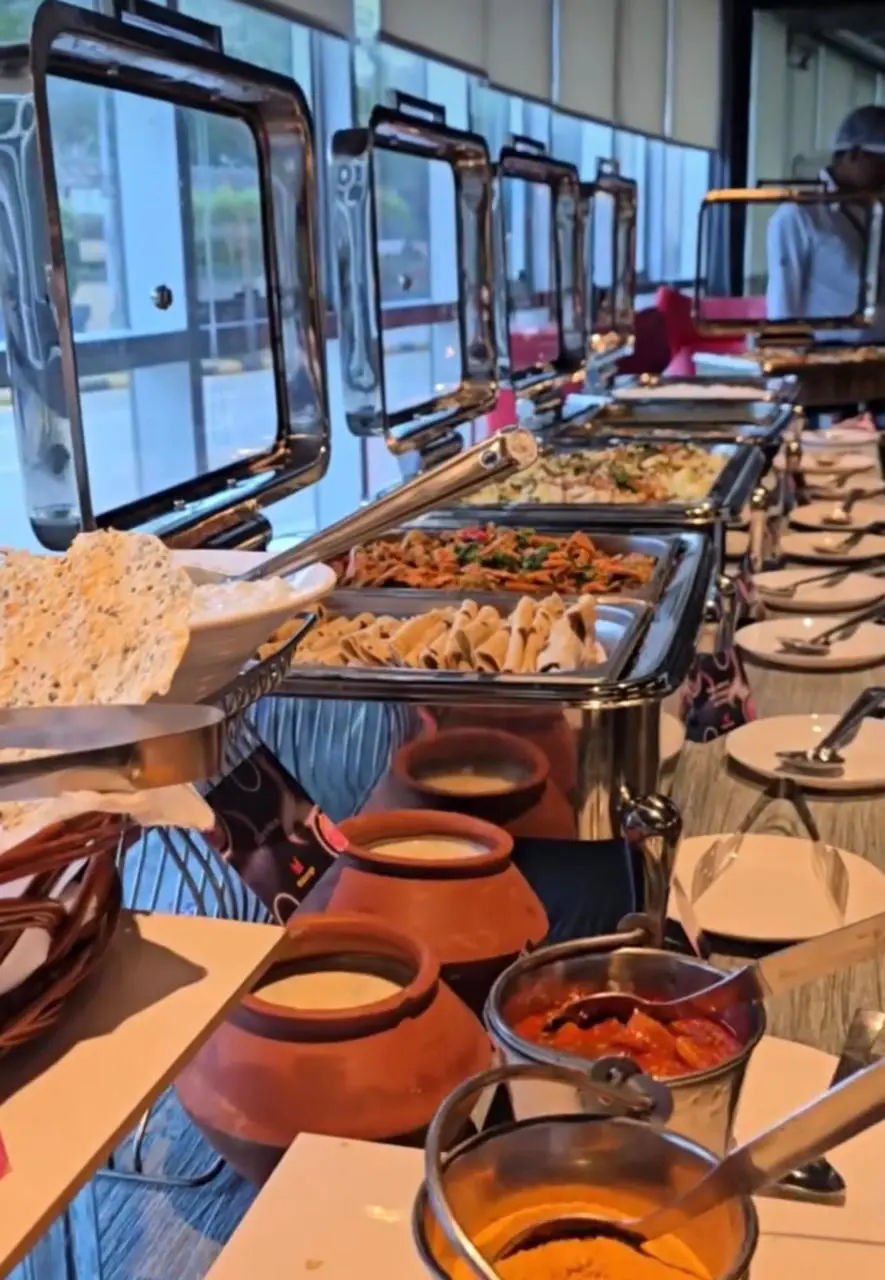
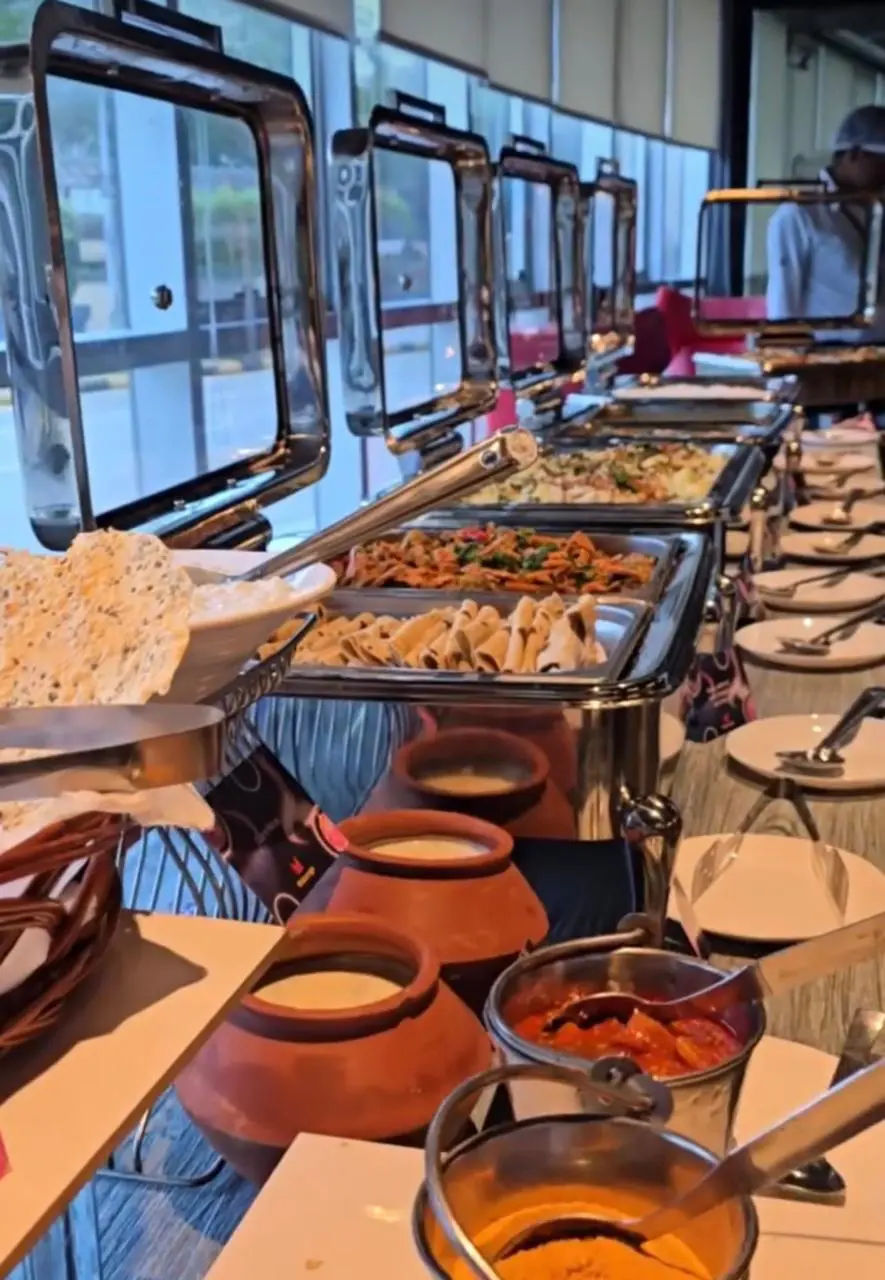
Equipment. Chafing dishes, serving ware, counters and linen, sometimes rented.
Logistics. Transport, setup, power and clearing.
Extras. Live counters, premium desserts and decor around the food.
For a small event, staff and logistics take a larger share than they would at a big one. The food share is smaller, which means savings on the menu go less far than hosts expect.
Where Couples Often Overspend
Ishita's vendor and her planner mentioned a few typical overspending areas in small weddings.
Too many dishes. A long menu for 100 guests forces the kitchen to make small batches of many items, increasing cost and reducing quality.
Several live counters. Each needs a chef, equipment and space. Two counters at a 100-person event is rarely necessary.
Over-ordered quantities. With a small crowd, a 20 percent buffer feels safe but is expensive. A smaller buffer is often enough if the RSVPs are firm.
Elaborate starters. Passed starters take time and staff, and are best kept to three or four well-chosen items.
Custom features. Branded counters, themed crockery and bespoke desserts can add significant cost.
Where Money Is Well Spent
Equally, there were places where spending made a visible difference.
Service. An extra two or three staff members, so that no guest waits and no dish is empty.
Hot-holding. Proper chafing dishes and fuel, so that the food stays hot for the entire evening.
One memorable element. A single live counter, a signature dessert or a regional dish, chosen to reflect the couple.
Quality in the main dishes. Good dal, a well-made biryani and a dish or two that people talk about.
Clean, well-lit presentation. Simple, attractive counters do more than an elaborate display.
The Menu They Chose
Ishita and Dev settled on a compact menu.
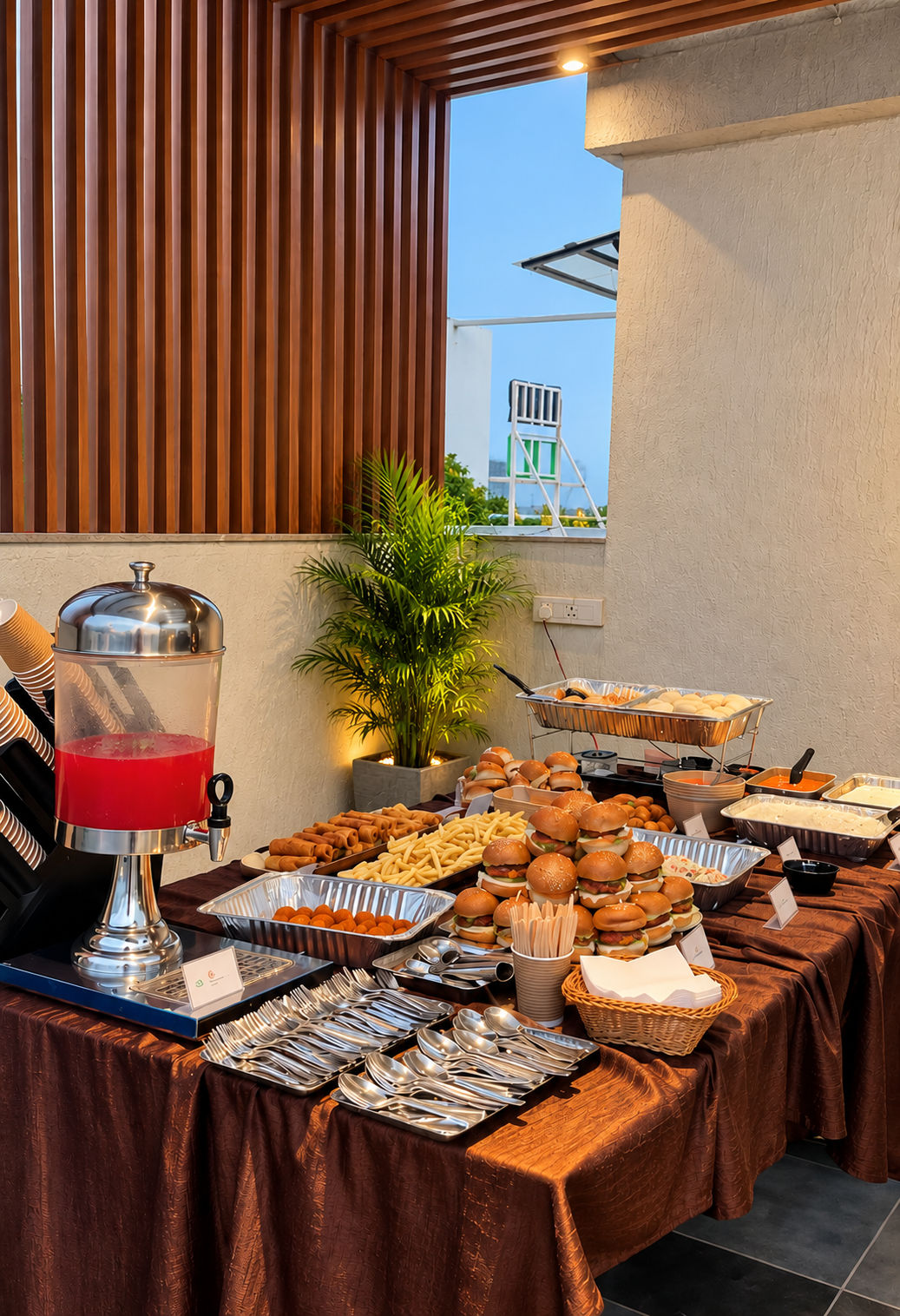
- Welcome: a chilled drink and a hot tea and coffee station.
- Starters: three items, passed, two vegetarian and one non-vegetarian.
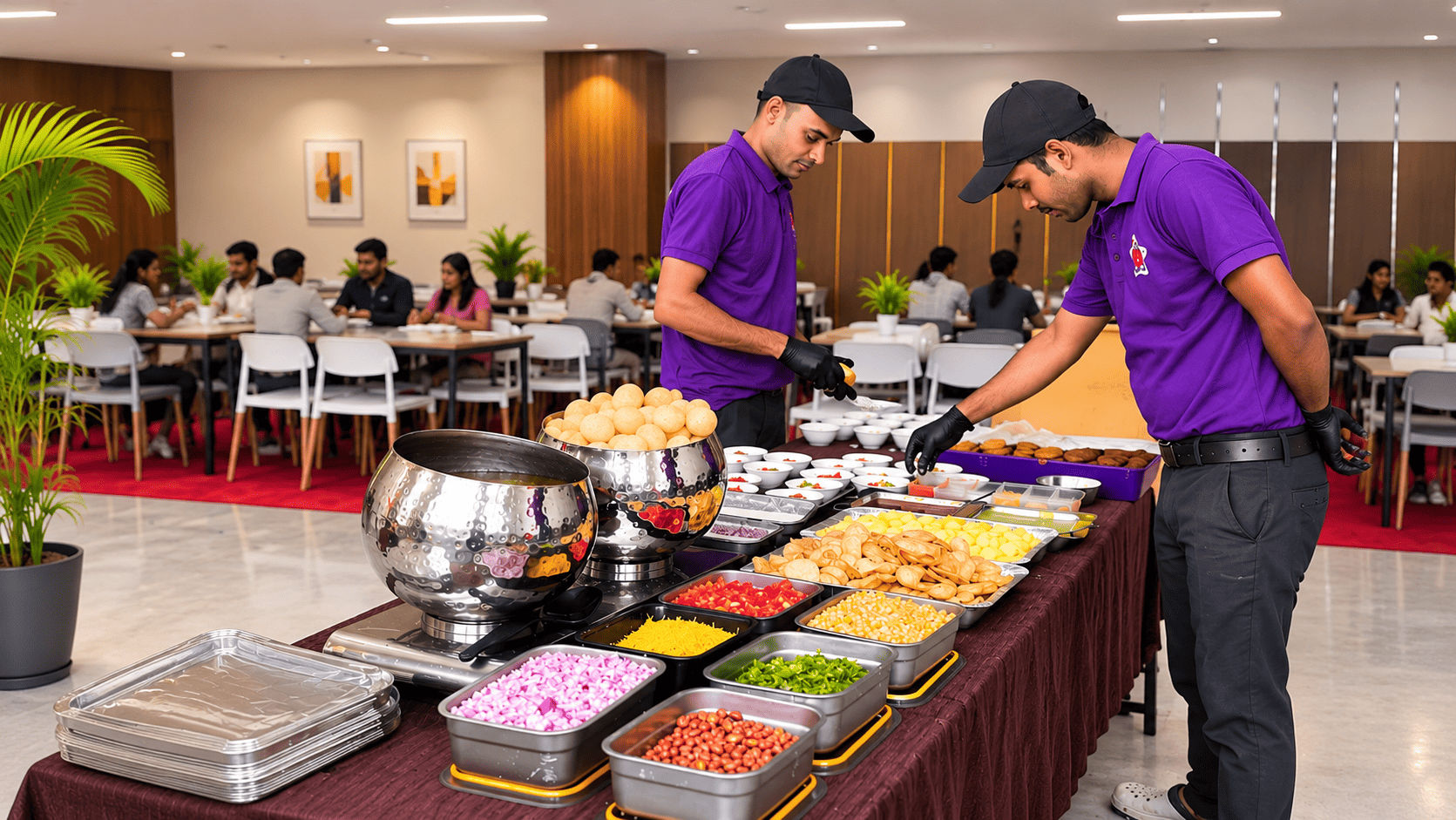
- Live counter: a single chaat counter, chosen because Dev had grown up on it.
- Main buffet: one dal, two vegetable dishes, one paneer dish, one chicken curry, biryani, rice, rotis and accompaniments.
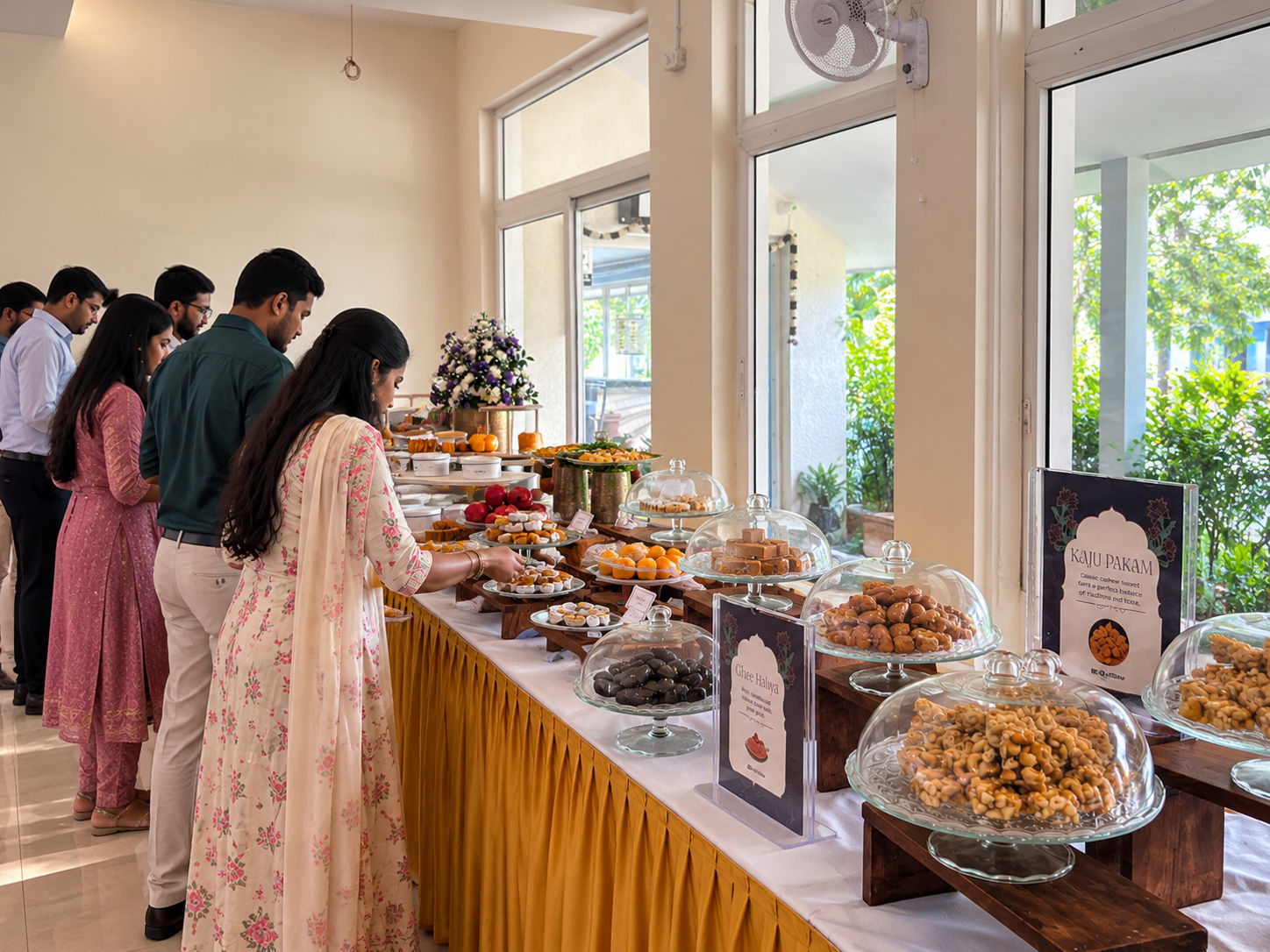
- Dessert: two Indian sweets, an ice cream counter and the cake.
The total was fourteen items, a modest number. Each was prepared with care, and the vendor could focus on quality.
The Question of Format
For an intimate wedding, there are broadly three service options.
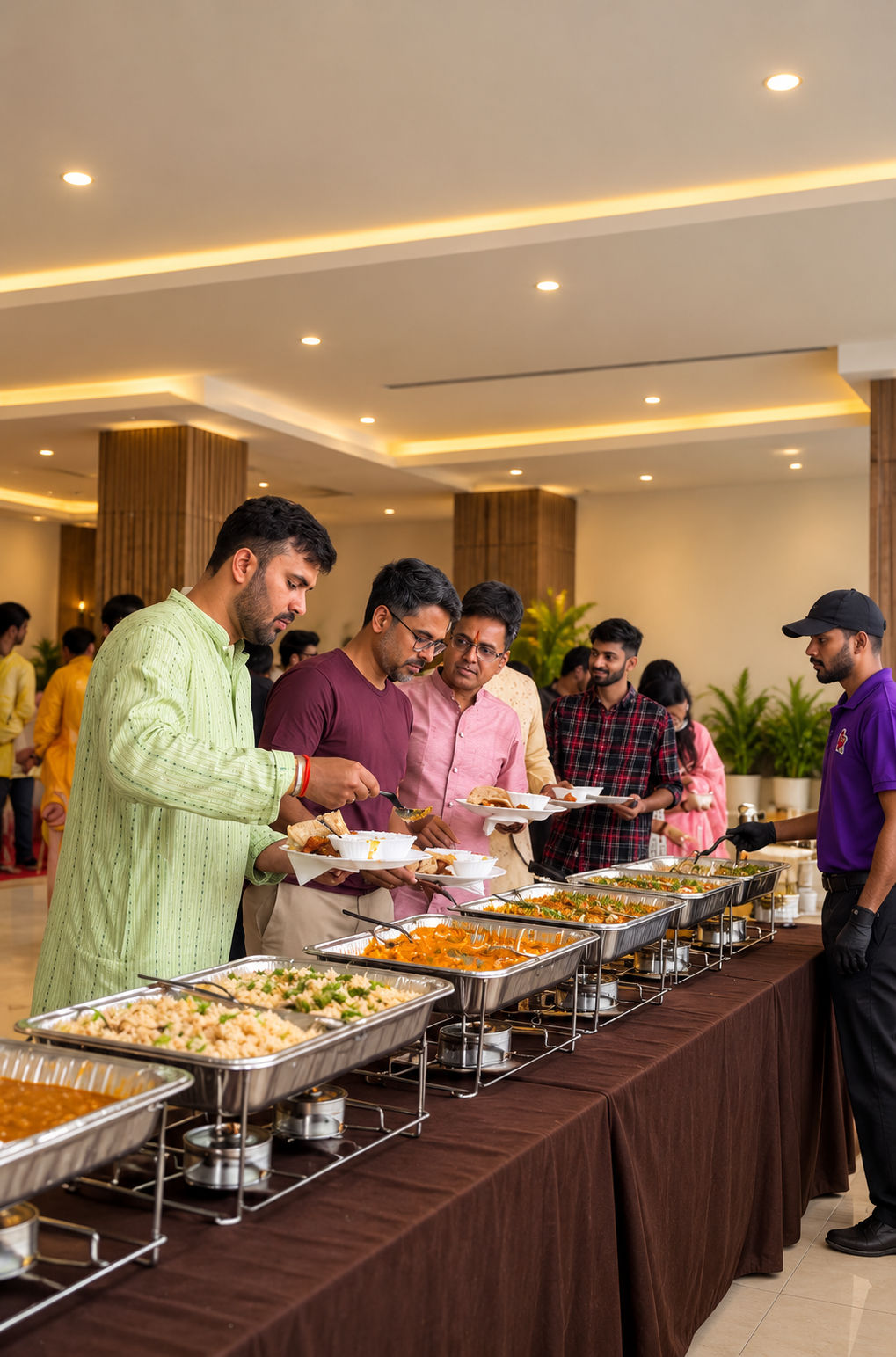
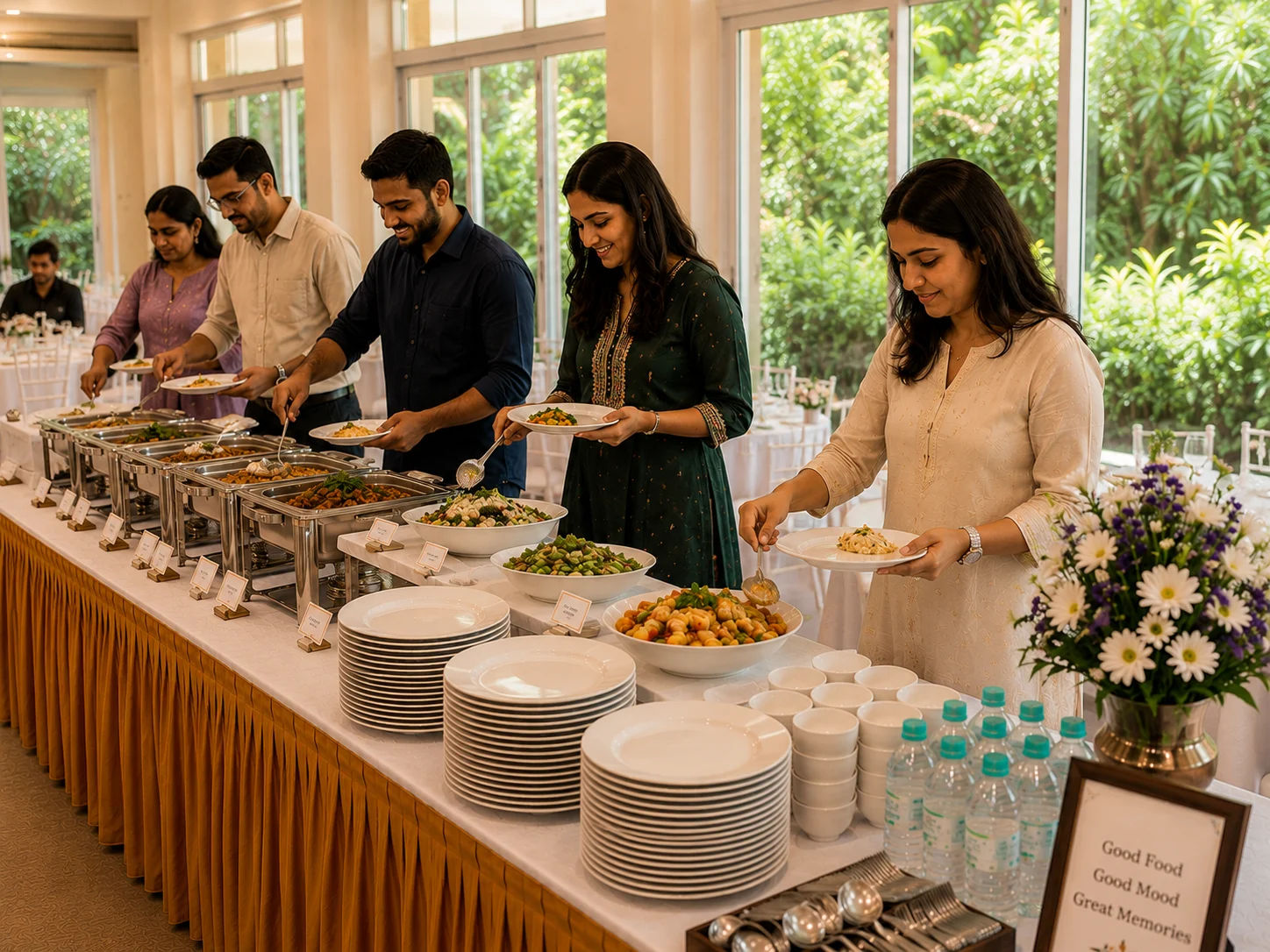
A staffed buffet. The most common. Guests serve themselves, staff refill and clear.
Seated plated service. More formal. Needs more staff and space, and offers less choice.
Family-style sharing tables. Large dishes placed on each table, passed among guests. Warm and social, but it needs more serving ware and careful planning.
Ishita's family chose the staffed buffet, with seated service for the grandparents. At the time of writing, EZGatherr lists staffed buffet catering from ₹399 per plate with a minimum of 10 guests, including service staff, crockery, cutlery and setup. For a wedding-related event, the final cost depends on the menu and extras, so treat the figure as a reference and confirm directly.
The Hidden Costs of a Venue Without a Kitchen
The garden space had no kitchen. This is common for small venues, and it adds costs and constraints.
- Cooking elsewhere. All food is prepared in the vendor's kitchen and transported.
- Finishing on site. Heating and final preparation need power and equipment.
- Temporary arrangements. Tents, tables, water and lighting may need to be arranged.
- Weather planning. An outdoor event needs a backup.
- Cleanup and waste. Extra bags and staff for clearing.
Ishita asked the vendor to include these in the quote, and discovered that two of them had not been mentioned. A discussion before the booking saved an argument after it.
A Realistic Timeline
For a small reception, a six-week timeline is workable.
Six weeks before: shortlist vendors, share the brief and request quotes.
Five weeks before: hold a tasting, choose the menu and confirm the vendor.
Four weeks before: pay the advance, share the venue details and confirm staffing.
Two weeks before: finalise the headcount and dietary needs.
One week before: hold a venue walk-through and confirm the timeline.
Three days before: share final numbers and special requests.
The day: meet the team lead, walk through the setup and agree on the signal to begin.
What They Learned
At the end, Ishita and Dev shared a few observations.
Fewer guests did not mean fewer decisions. But the decisions were more personal.
Staff mattered more than the number of dishes. The evening felt generous because nobody waited.
One signature element was enough. The chaat counter was what guests mentioned.
A clear conversation about the budget helped. Their vendor did not push upsells, and they did not hide their constraints.
Small allows care. With a hundred guests, they could greet everyone, and the vendor could attend to detail.
A Fair Conclusion
An intimate wedding is an opportunity to focus on what matters. Understanding where the budget goes, and why, lets you spend on service and quality instead of excess.
When you discuss costs with wedding caterers in Bangalore, ask them to explain the quote in plain words. A vendor who can do that will be a good partner for a small, meaningful celebration.
Read More
- Wedding caterers in Bangalore
- Catering for 100 people in Bangalore
- Catering services in Whitefield
- Catering services in Bangalore
- Premium catering in Bangalore
Planning something similar? See our wedding caterers in Bangalore.