Food Caterers in Bangalore: Veg, Non-Veg, Jain and Allergies at One Table
How food caterers in Bangalore handle vegetarian, non-veg, Jain and allergy needs at one event, with briefing, labelling and etiquette tips.

At almost every gathering in Bangalore, someone quietly asks a version of the same question: "Is this vegetarian?" Behind it are many different needs. A guest who eats no meat. A guest who eats no meat and no eggs. A guest who follows Jain rules. A guest who is allergic to nuts or shellfish. A guest who simply does not like spicy food. The host's job is to feed all of them well, at the same table, at the same time.
This expert-style guide explains how experiencedfood caterers in Bangalore and thoughtful hosts manage mixed dietary needs. It is written for hosts, and its tone is practical and neutral. It does not recommend any dietary approach. It simply helps you serve people respectfully.
Start With the Words
Dietary words are used loosely, and clarity avoids mistakes.
Vegetarian. In India, usually means no meat, poultry or fish, but may include dairy and, for some, eggs. Ask guests whether eggs are acceptable.
Vegan. No animal products, including dairy, honey and ghee.
Jain. Typically no meat, no eggs, no onion, no garlic and no root vegetables such as potatoes, carrots and radishes. Some Jain guests also avoid eating after sunset.
No onion, no garlic. Often followed on certain days or during festivals, and sometimes year-round. Different from Jain, since root vegetables may be allowed.
Satvik. Pure, simple vegetarian food, usually without onion, garlic or strong spices.
Halal and similar rules. Relevant for some non-vegetarian dishes. Ask the guest or the family what applies.
Allergies. A medical condition, not a preference. A small trace can cause a reaction, so these require separate attention.
When a guest says "vegetarian," a short follow-up question, "Do you eat eggs?" avoids surprises.
Collecting Information
The best moment to ask is when you send the invitation. A single line is enough.
"Please let us know of any dietary requirements: vegetarian, Jain, no onion or garlic, allergies or anything else."
For larger events such as weddings, corporate dinners and community lunches, a form with checkboxes works better. For small gatherings, a quick message to each guest is fine.
Share the totals with the caterer, with a note about any guest whose requirement is medical.
Three Ways to Organise the Food
Experienced caterers use one of three approaches, or a mix.
1. Vegetarian by Default
The whole menu is vegetarian. Everyone eats the same food, and nobody has to worry. This is common at poojas, weddings with a vegetarian tradition and many community events.
It is the simplest approach, and often the most inclusive.
2. A Strong Vegetarian Base With a Non-Vegetarian Add-On
Most of the menu is vegetarian, and one or two non-vegetarian dishes are served separately. This approach suits mixed gatherings such as housewarmings and birthdays.
The key details are separation and labelling. Non-vegetarian dishes should have their own counter or section, their own serving spoons and clear markers. Vegetarian guests should not have to queue behind a chicken curry.
3. Separate Menus
For events with a large non-vegetarian crowd and a large vegetarian crowd, parallel menus with separate counters work best. This is more complex, but it respects both groups.
Handling Jain and No-Onion-No-Garlic Requests
These need advance notice and a thoughtful vendor.
- Ask early. Preferably during the first conversation.
- Ask how the kitchen manages it. Separate vessels, separate preparation areas and ingredient checks all matter.
- Order a small number of dedicated portions. For a mixed event, a few separate Jain meals are often easier than converting the entire menu.
- Label clearly. A tag with the guest's name avoids confusion.
- Watch for hidden ingredients. Some masalas, sauces and gravies contain onion or garlic.
- Check timing. If a guest eats before sunset, plan service accordingly.
A vendor who asks detailed questions on this topic is usually one who takes it seriously.
Handling Allergies
Allergies are a different matter, and they deserve honesty.
Tell the vendor in advance. List the allergens, such as nuts, shellfish, dairy, gluten or eggs.
Ask what they can guarantee. Many kitchens handle multiple ingredients, and cross-contact is possible. A good vendor will tell you what they can and cannot promise.
Speak to the guest. Let them decide whether to eat, based on the vendor's answer.
Label the dishes. Where possible, list major allergens.
Prepare an alternative. For a serious allergy, a safely prepared individual meal from a trusted source, which the guest can bring or approve, may be the best solution.
Never promise what you cannot verify. If a guest has a severe allergy, it is better to be honest about limits than to offer false reassurance.
Children's and Elders' Needs
Dietary needs include age. Children need milder food and smaller portions. Elders may need softer dishes, lower salt and less oil. Diabetic guests may want a sugar-conscious dessert.
None of these needs is complicated, but each requires thought. A short list for any menu:
- One mild dish for children.
- One soft, low-spice dish for elders.
- One fruit or less-sweet dessert option.
Practical Setup at the Venue
Where and how food is placed makes a difference.
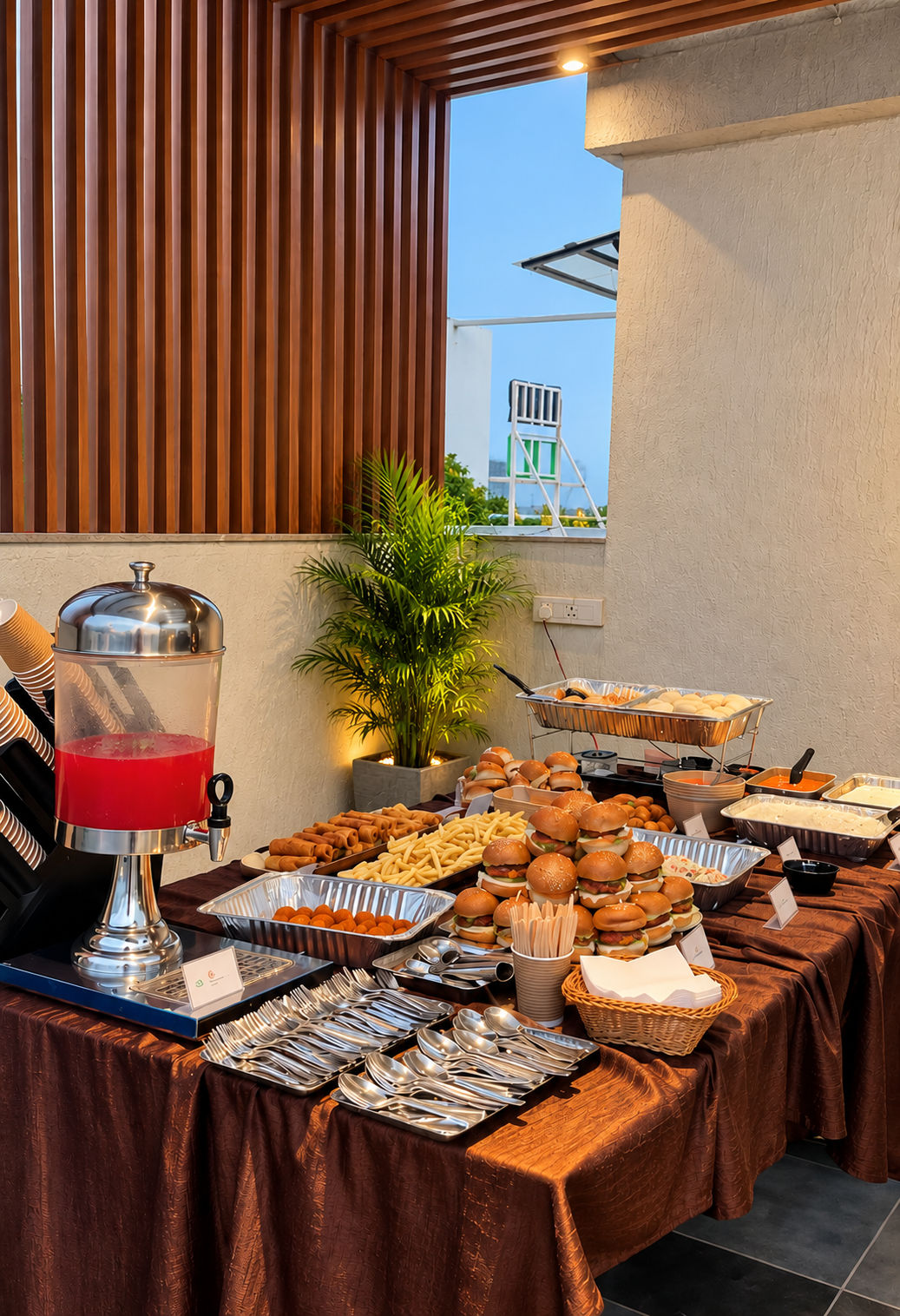
Separate counters. Vegetarian and non-vegetarian dishes in different areas.
Separate spoons. Each dish has its own, and they are kept with that dish.
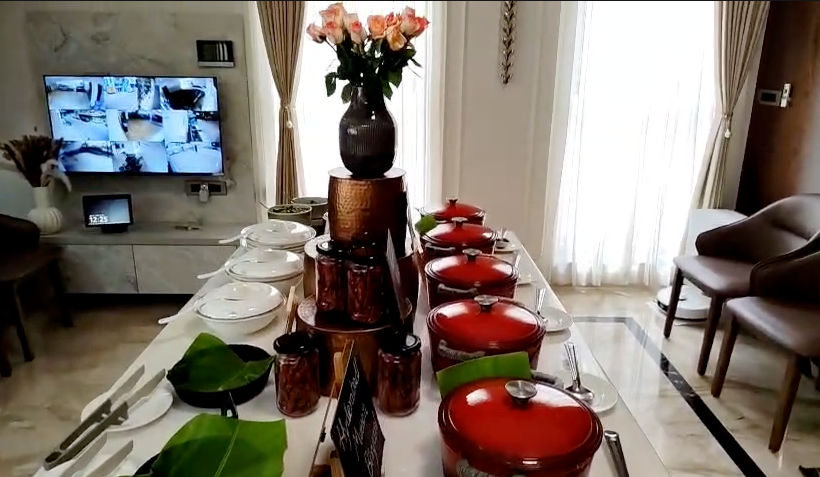
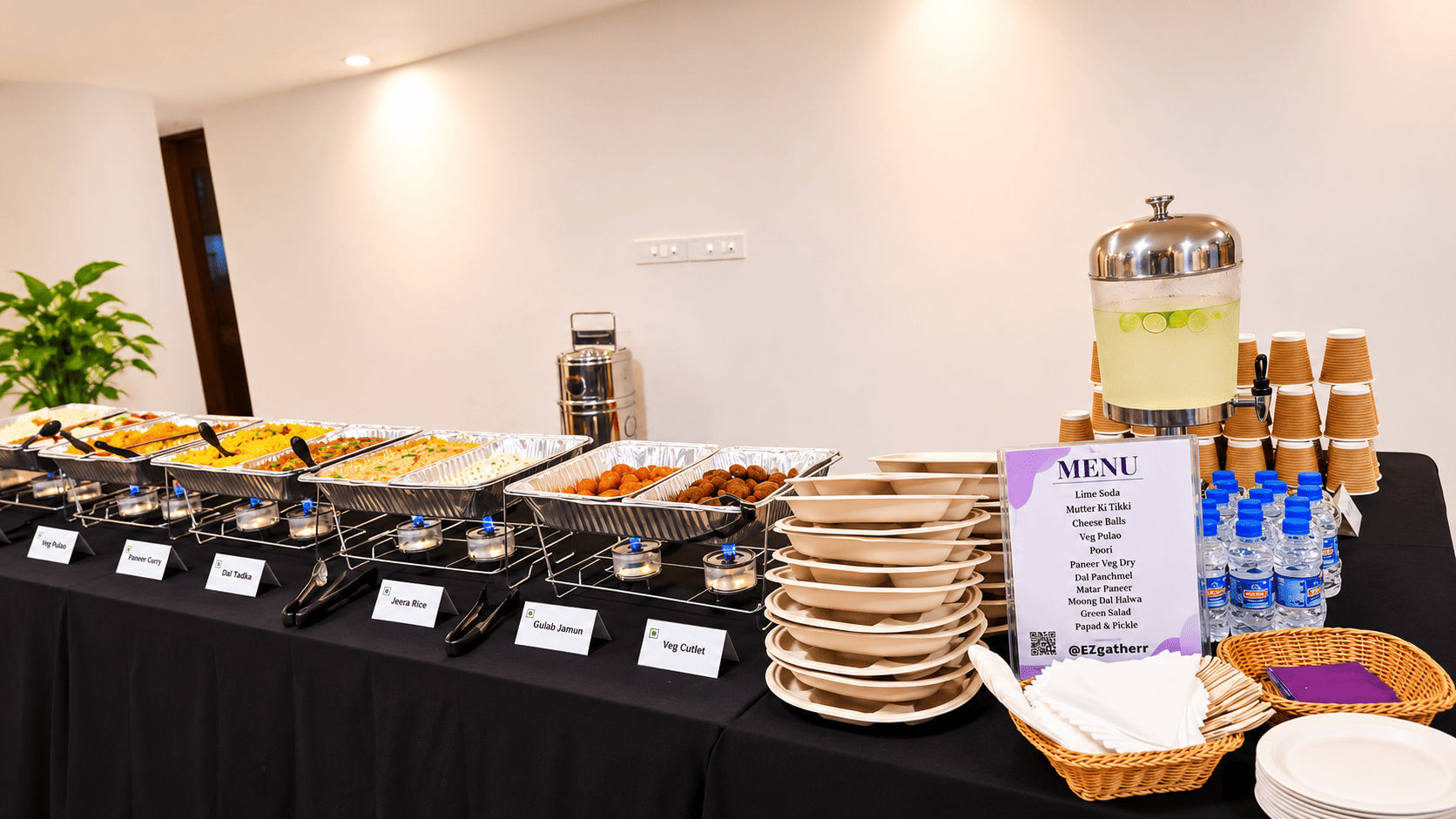
Clear labels. Names of dishes and a marker for vegetarian, non-vegetarian, Jain or allergen information.
Special meals aside. Individual meals for Jain or allergic guests, packed and labelled with names.
Staff briefing. The service team should know which dishes contain what, so they can answer questions.
How Formats Affect Dietary Handling
The service format matters.
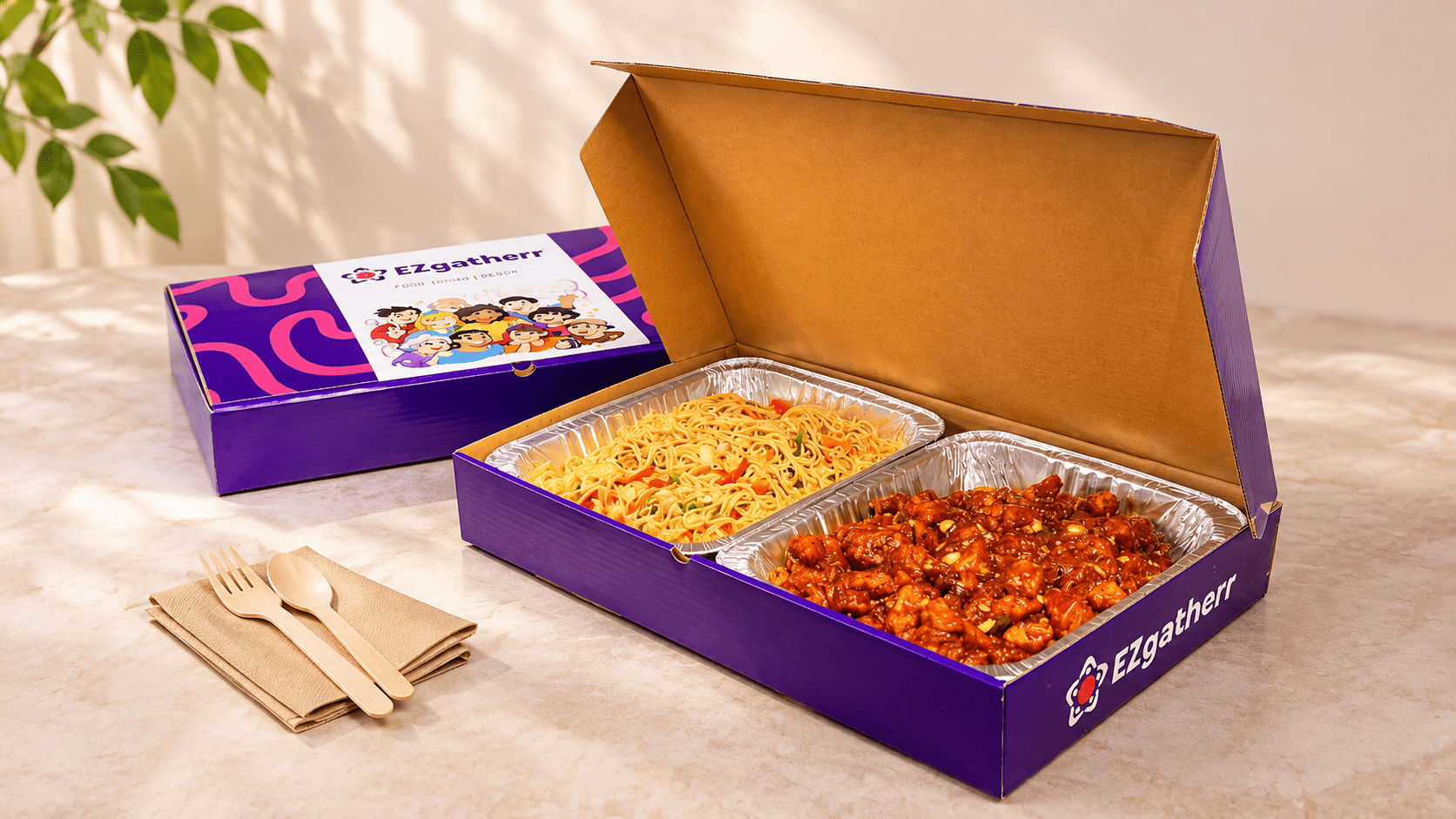
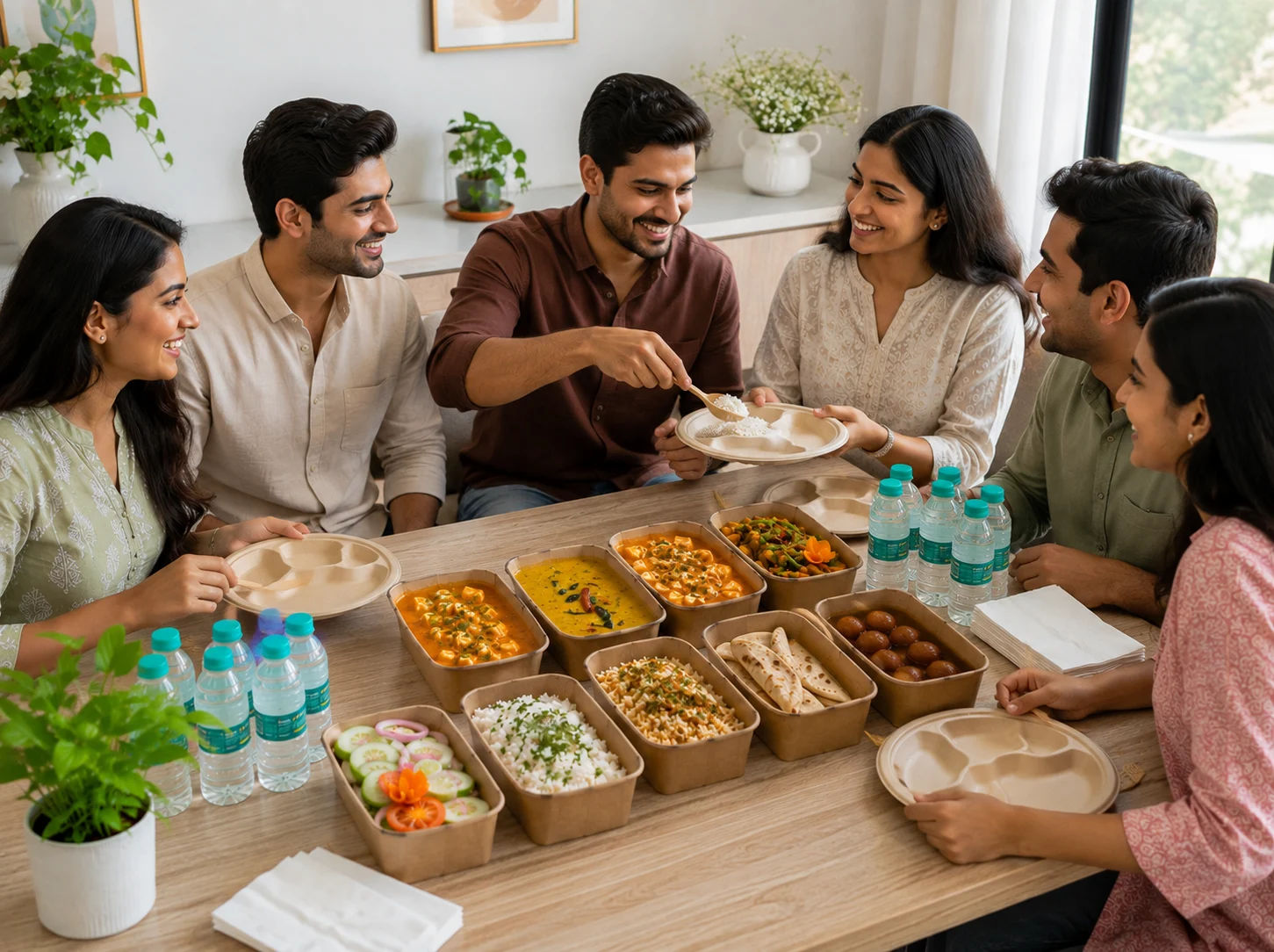
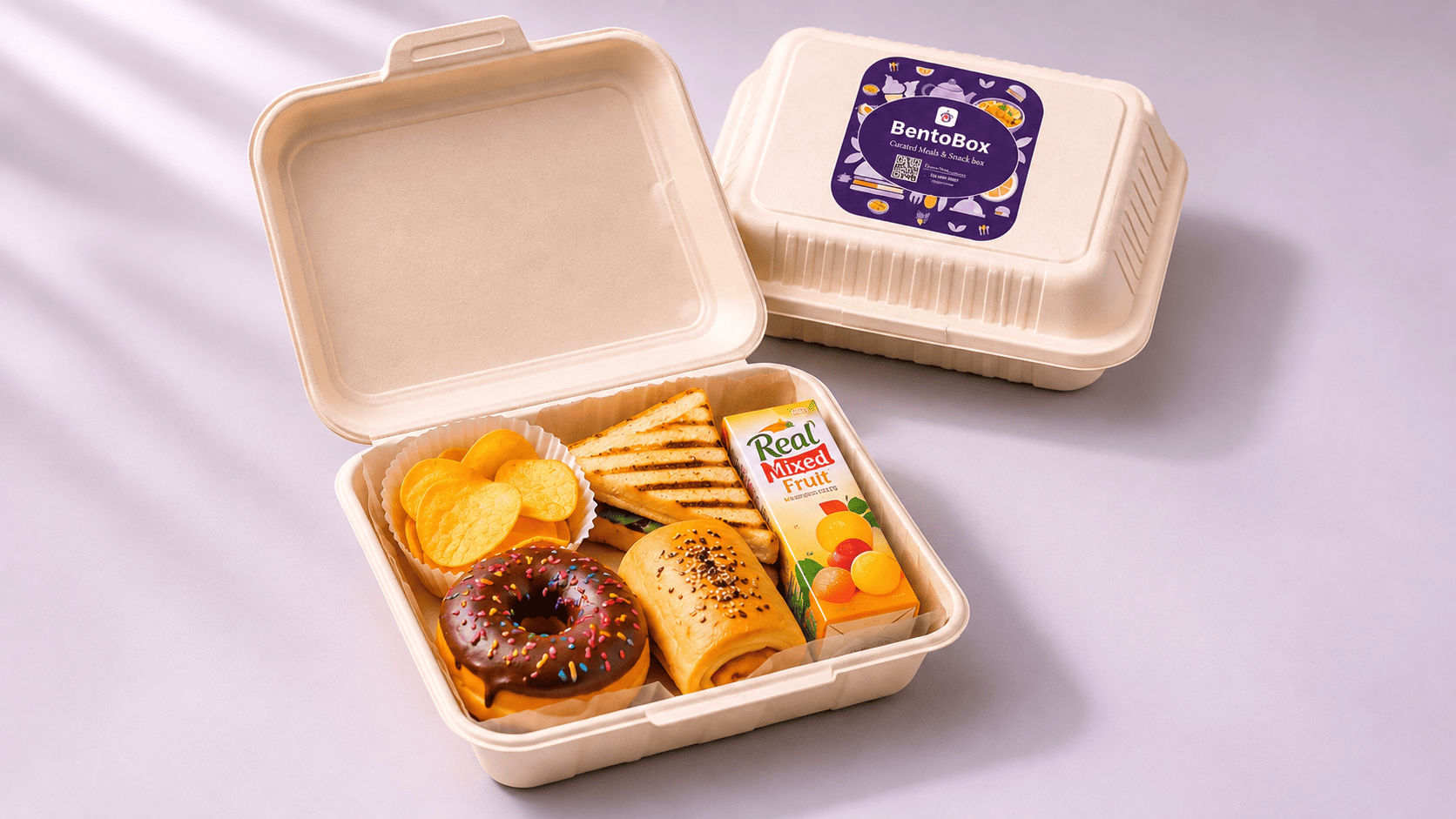
Meal boxes. Easy to label and separate. Each box can be marked and handed to the right person.
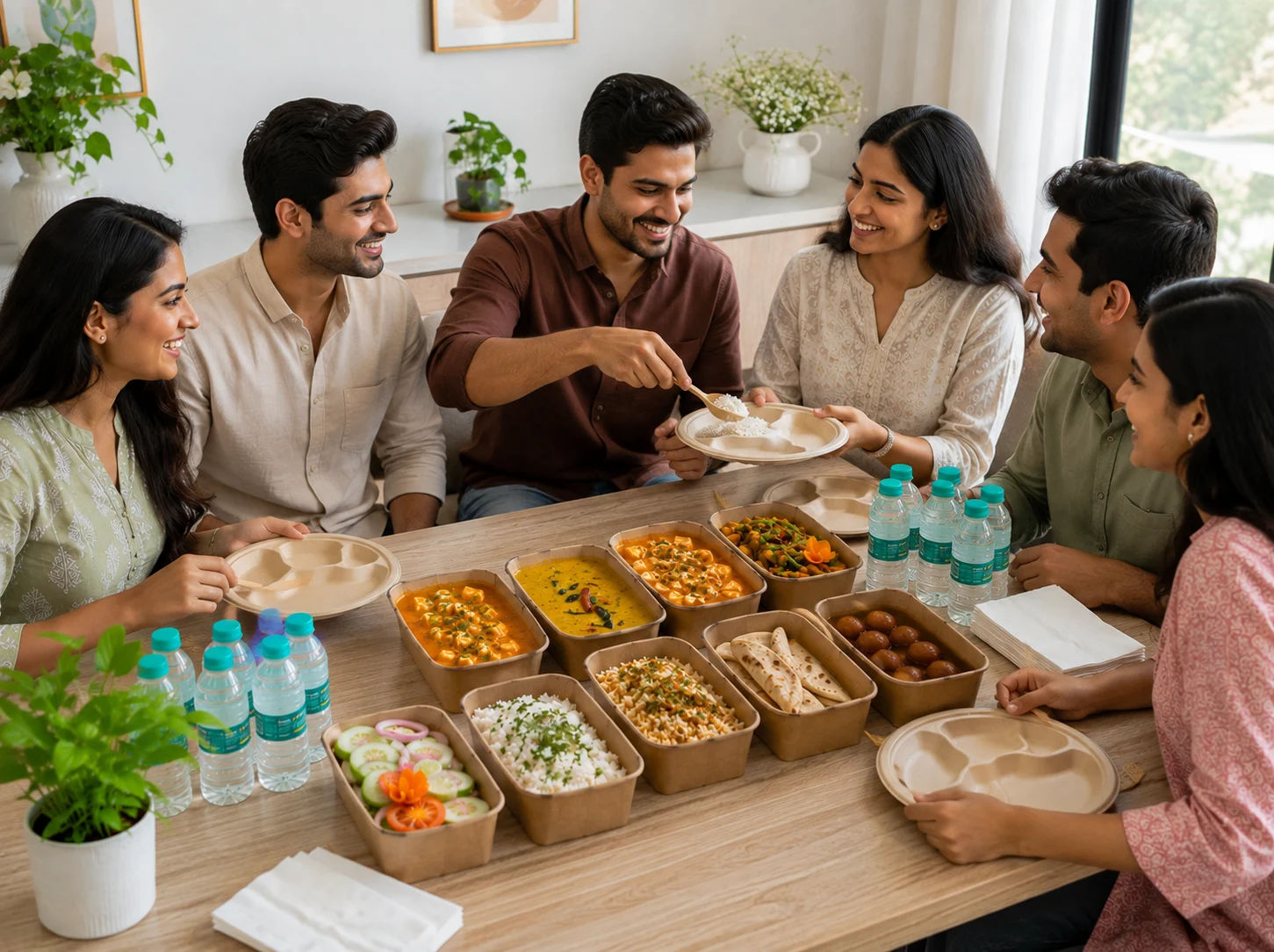
Bulk trays. Flexible, but the host manages separation and spoons.
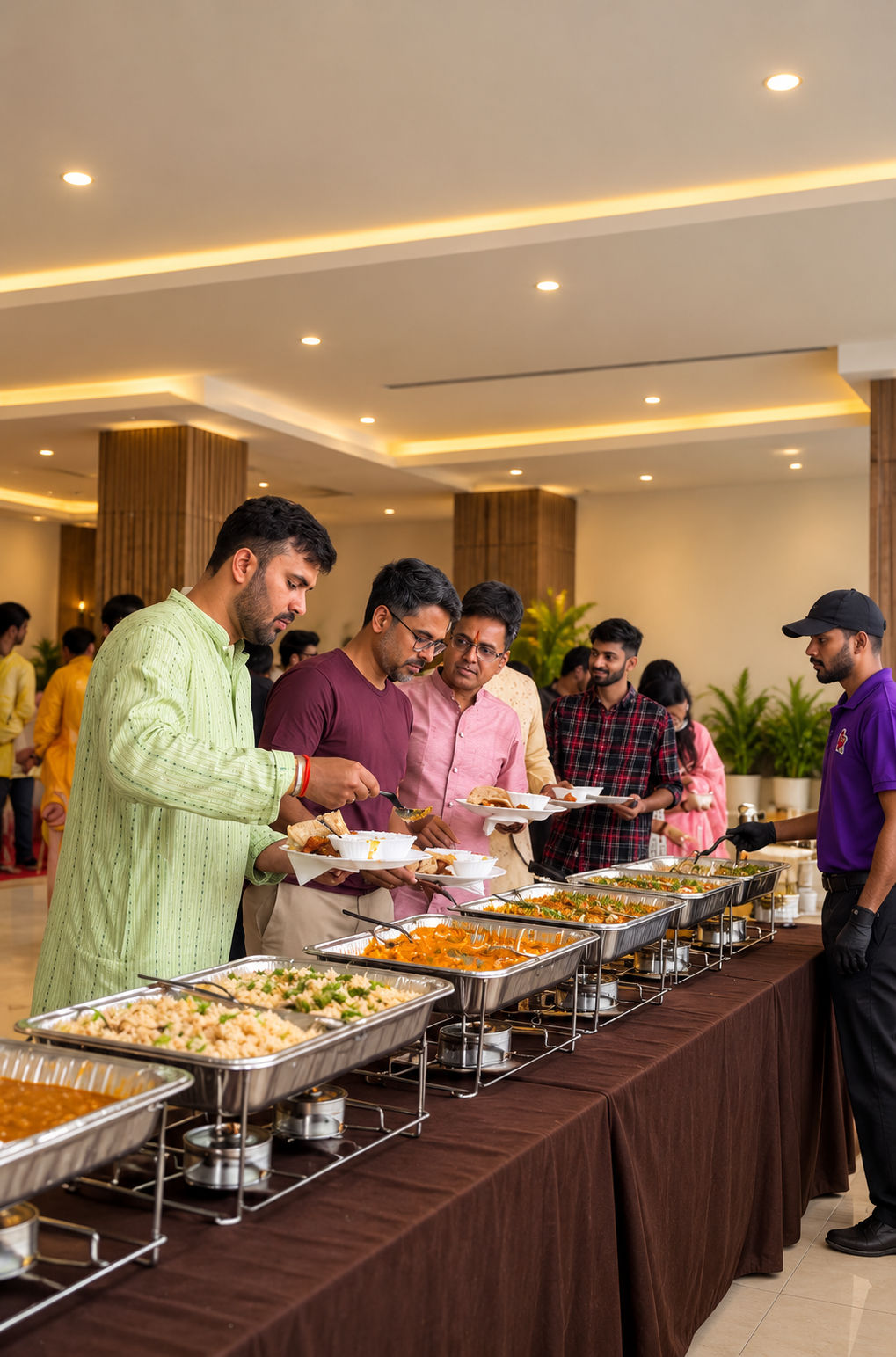
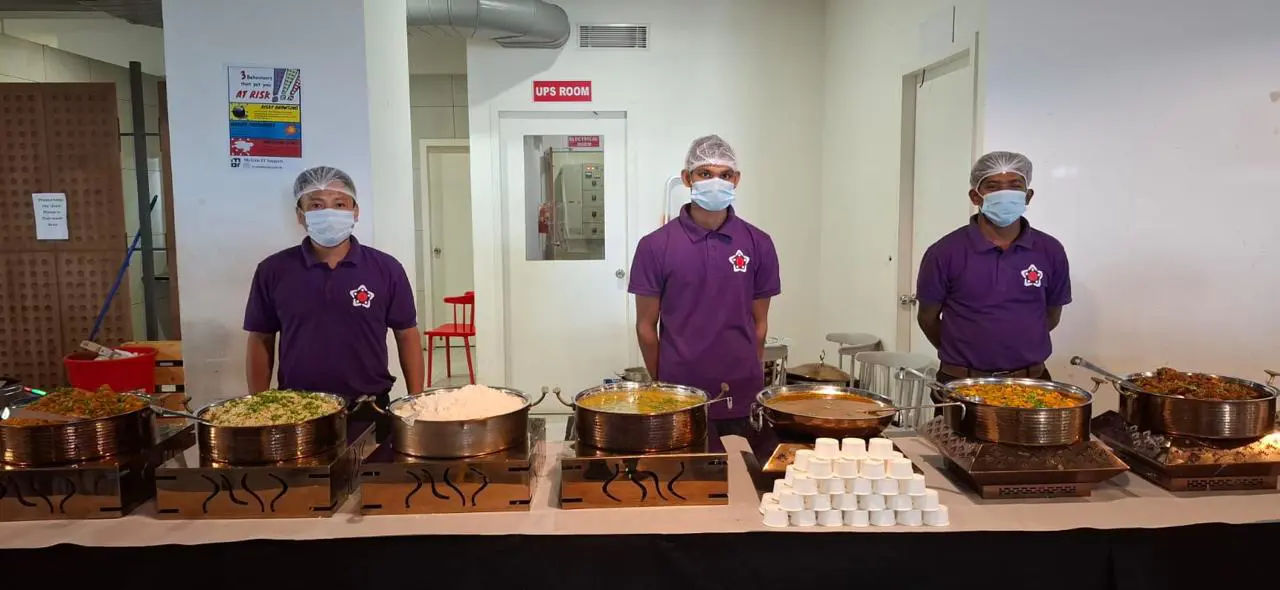
Staffed buffets. The team can manage counters and labels, which helps with larger groups.
At the time of writing, EZGatherr's formats include meal boxes from ₹149, bulk food from ₹249 per person and staffed buffets from ₹399 per plate. Each can accommodate dietary needs if the brief is clear. Prices change, so confirm current figures.
Etiquette: Be Gracious
Guests with dietary needs often feel self-conscious. A few courtesies help.
- Ask quietly, not publicly.
- Do not make a fuss about the arrangement.
- Make sure the special meal is equal in quality, not an afterthought.
- Serve it at the same time as everyone else.
- Thank the guest for letting you know.
A well-prepared host makes dietary needs feel ordinary.
A Short Checklist
- Ask guests about dietary needs on the invitation.
- Clarify the exact meaning of each term.
- Choose a vegetarian base, with separate non-vegetarian service if required.
- Brief the caterer early about Jain, no-onion-no-garlic and allergy needs.
- Ask how the kitchen manages separation.
- Label dishes and keep separate spoons.
- Pack special meals with names.
- Brief the service team.
A Fair Conclusion
Good catering for mixed tables is not about perfection. It is about care, clarity and respect. When you describe your guests honestly and ask the right questions, thoughtfulfood caterers in Bangalore can feed everyone well, and nobody has to ask whether the food is meant for them.
Read More
- Bulk food delivery in Bangalore
- Veg catering services in Bangalore
- Meal box delivery in Bangalore
- Catering services in Bangalore
- How to Choose Catering Services in Bangalore
Planning something similar? See our bulk food delivery in Bangalore and catering services in Bangalore.
Read more
 Food Catering Services: Types, Menus and Planning Tips
 Bulk Food Delivery: How Much to Order for 20, 50 or 100 Guests
 Food Caterers in Bangalore: What Happens in the Kitchen the Night Before Your Event
 Food Caterers in Bangalore: A Training Manager's Case Study in Boxes, Breaks and Budgets
 How to Plan Bulk Food Orders for Events