Food Caterers in Bangalore: A Training Manager's Case Study in Boxes, Breaks and Budgets
A training manager's case study on using food caterers in Bangalore for multi-day programmes: boxes, breaks, menus and budgets.

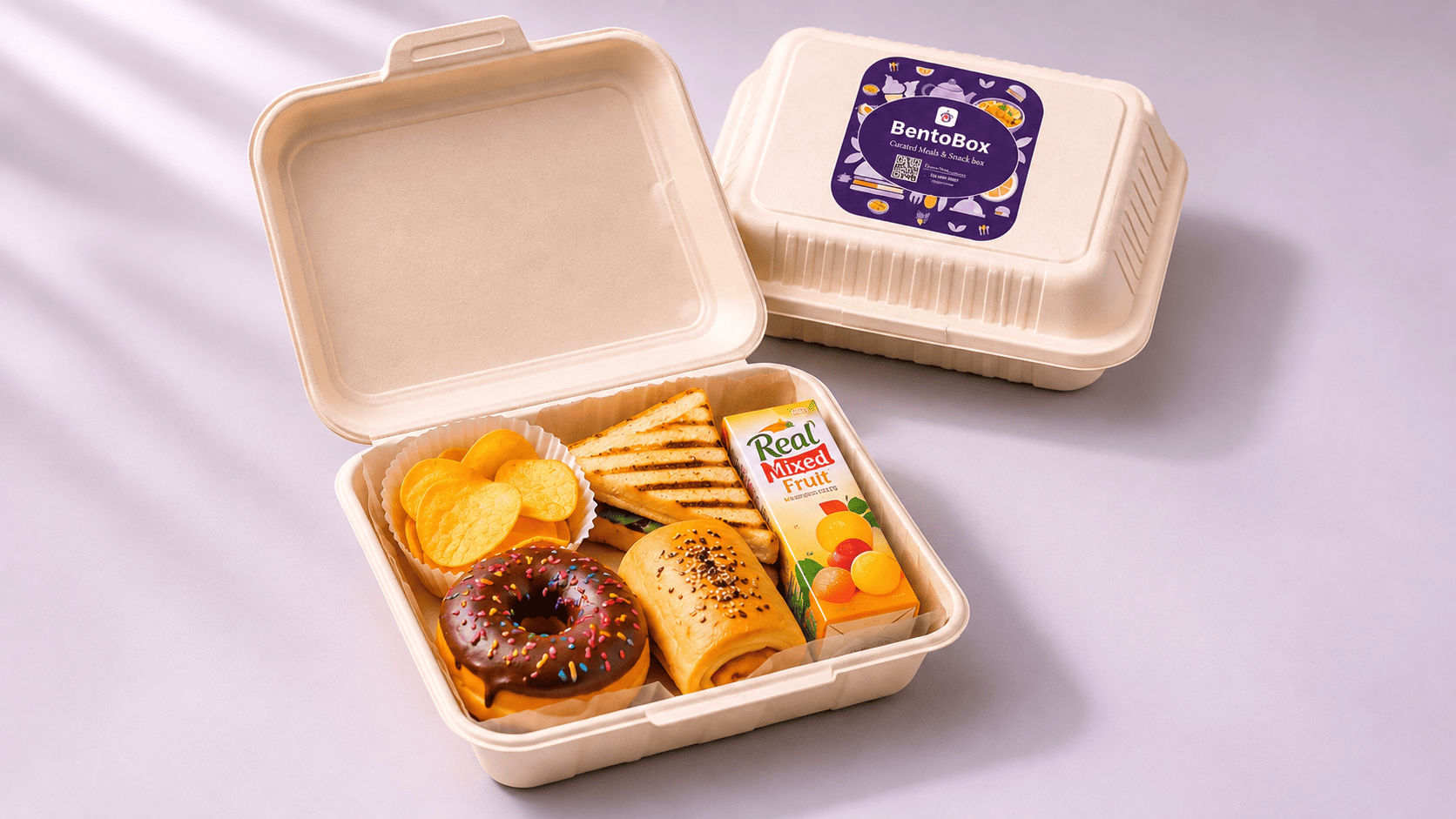
Arvind runs learning and development for a 600-person engineering firm. On any given month, he organises between six and ten training programmes, from two-hour workshops to three-day boot camps, each with 20 to 60 participants. For years, food was an afterthought. Then a three-day leadership programme got feedback that began, "The content was great, but..." and the "but" was about lunch.
This composite case study draws on the experiences training managers share with us. It looks at how Arvind approached food caterers in Bangalorefor programmes where meals are part of the schedule, and what he learned about boxes, timing and budgets.
Why Training Food Is a Special Case
Training programmes have particular demands.
Tight schedules. Lunch is often 45 minutes. A late delivery cuts into learning time.
Repeat days. For a three-day programme, the same participants eat the same vendor's food for three days. Repetition shows.
Mixed groups. Participants from different teams and cities bring varied dietary needs.
Working meals. In some programmes, participants eat while a session continues.
Budget scrutiny. L&D budgets are watched closely. Every rupee spent on food is a rupee not spent on content.
Arvind's goals were therefore specific: reliable timing, menu variety across days, clear dietary handling and predictable cost.
The Format Question
Arvind considered three formats.
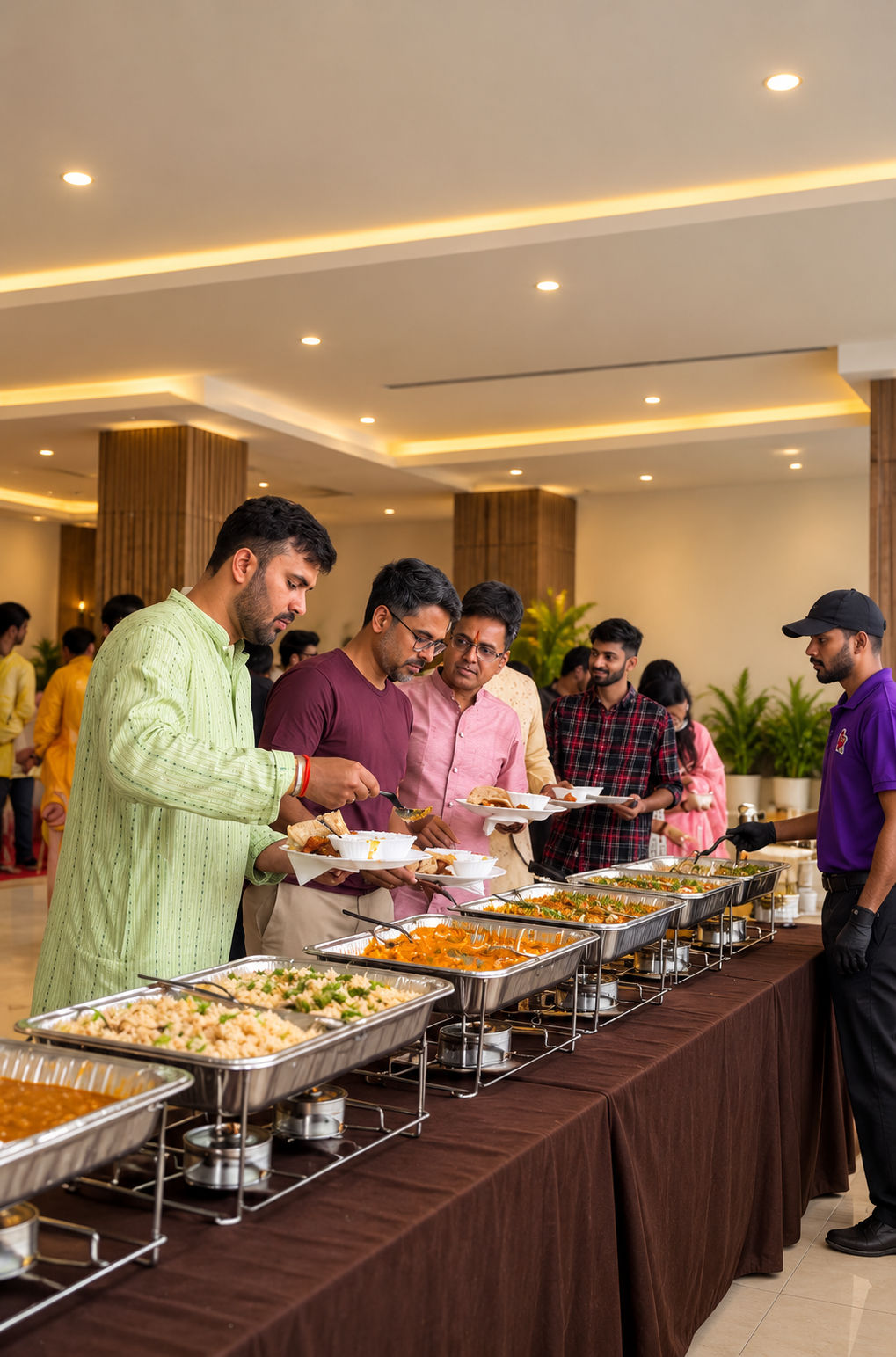
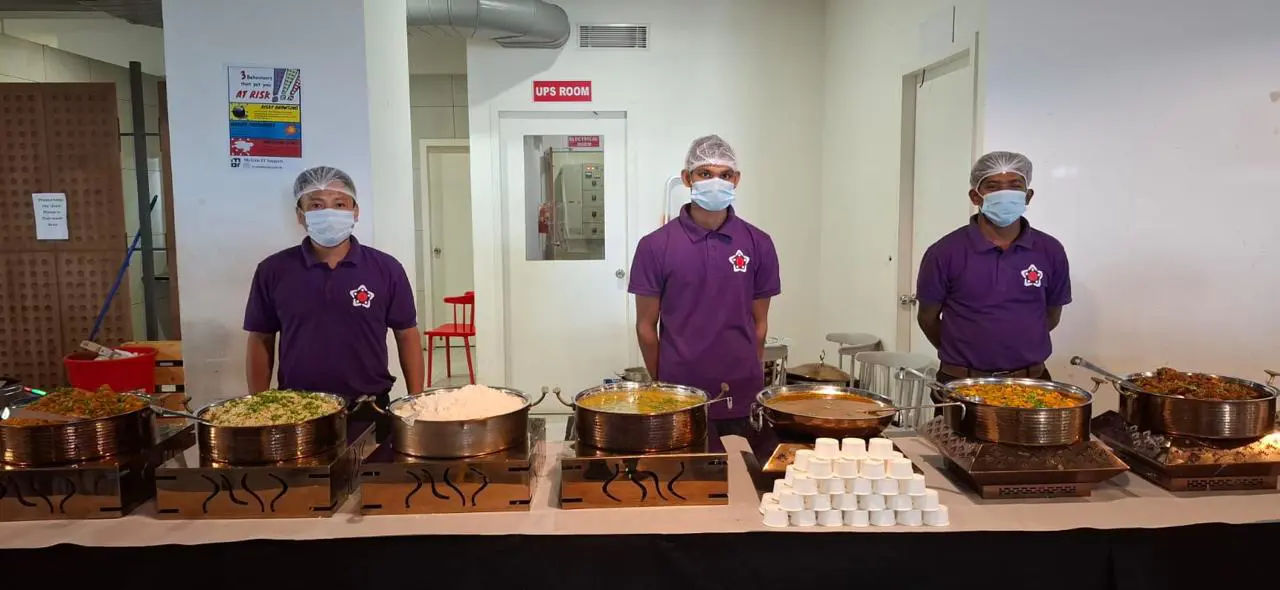
A cafeteria buffet. It offers choice but needs a venue, staff and time.
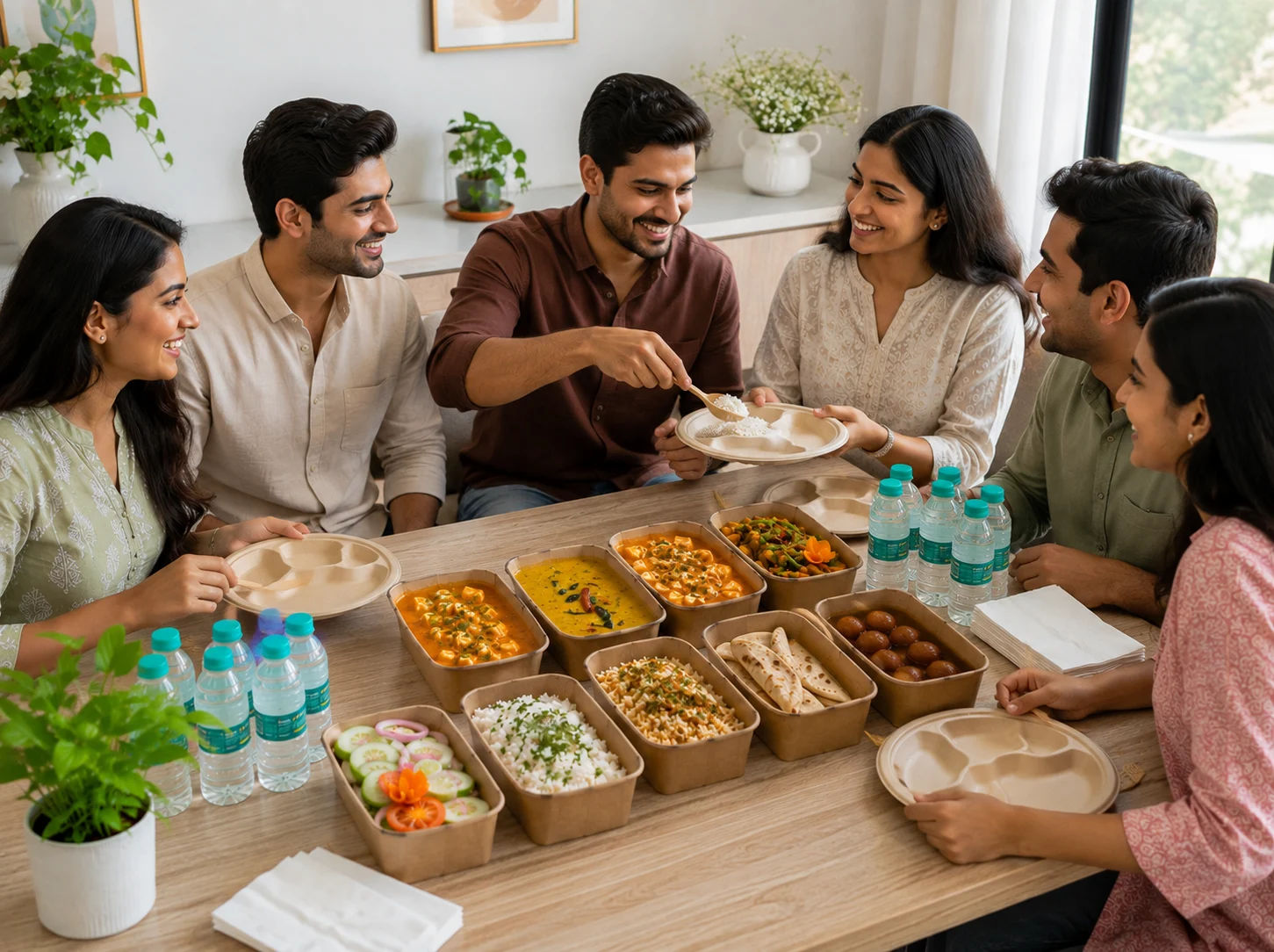
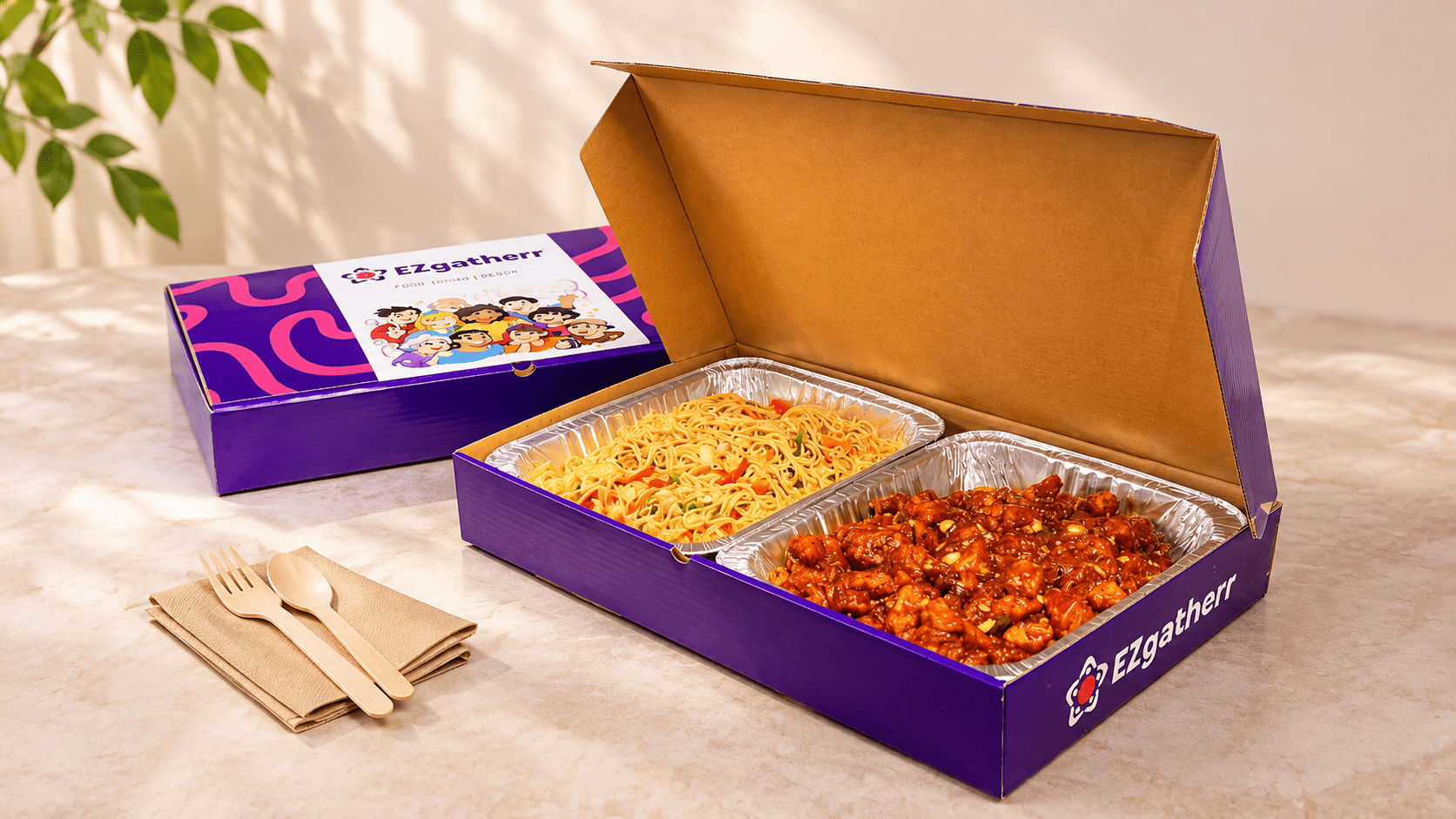
Bulk trays. They are economical, and suit smaller programmes where participants serve themselves.
Individual meal boxes. Each participant gets a sealed box with the meal, cutlery and often a dessert or a drink.
For most programmes, he chose boxes. They are quick to distribute, easy to label and neat to eat in a training room. Dietary needs can be handled by marking boxes with names or colours. Clearing up means collecting the boxes.
At the time of writing, EZGatherr's Gather Bento range lists meal boxes from ₹149 with a minimum of 10 boxes and delivery by 12:30 PM for lunch orders. Whatever the vendor, those are the specifications worth asking about: price per box, minimum quantity and delivery window.
The Three-Day Menu Problem
The leadership programme taught Arvind about repetition. The vendor had served a similar lunch each day, with minor variations. By day three, participants were noticeably less enthusiastic.
His solution was to plan the menu across days, not meal by meal.
Day one: a North Indian lunch with dal, a paneer dish, rice, roti and a sweet.
Day two: a South Indian lunch with a sambar rice, a vegetable poriyal, curd rice and a payasam.
Day three: a lighter, global menu with a pasta, a salad and a dessert.
The caterer was asked to propose menus for all three days before the programme began. Each day had a distinct character. Participants noticed, and the comments improved.
Breaks, Not Just Lunch
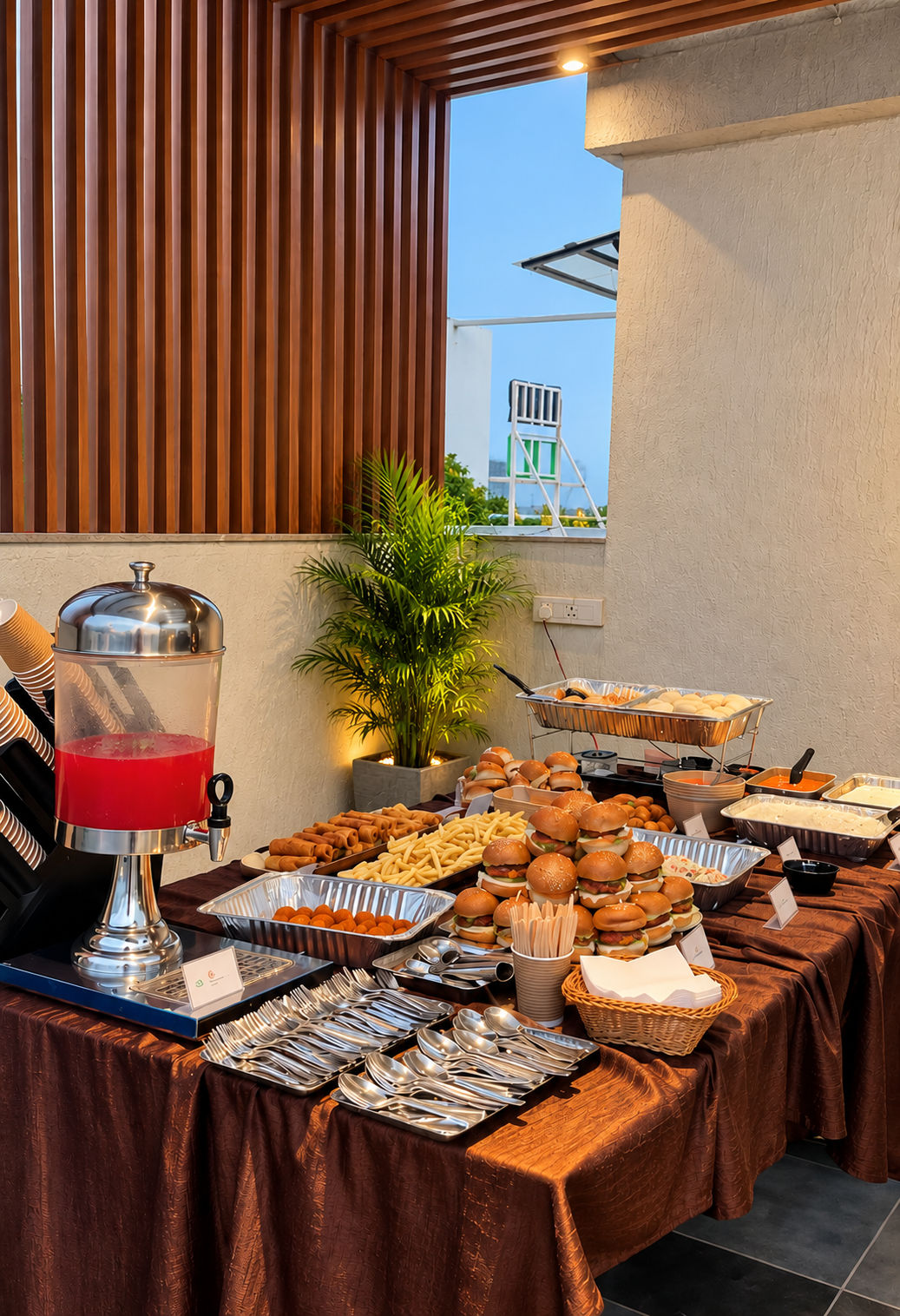
Arvind realised that tea breaks mattered more than expected. A 15-minute break with a good coffee and a snack lifted the energy of a room. A break with stale biscuits did the opposite.
His standard schedule for a full-day programme became:
- Arrival: tea, coffee and a light snack.
- Mid-morning break: tea, coffee and one item.
- Lunch: a meal box or buffet.
- Afternoon break: tea, coffee and a savoury.
He asked vendors to vary the snacks each day and to deliver beverages in dispensers or flasks to avoid queues at a single urn.
Dietary Needs and Registration
The registration form for each programme included a dietary question: vegetarian, non-vegetarian, vegan, Jain, allergies. Arvind shared the totals with the vendor at least three days before.
For allergies, he asked the vendor to confirm ingredients, and he contacted the participants directly. For Jain meals, he ordered separate boxes with the person's name.
Labelling was the second step. Boxes were marked with a coloured sticker for vegetarian, non-vegetarian and special meals. Volunteers distributed them, with special meals handed over personally.
Timing the Delivery
Late food is the most common training-day complaint. Arvind's rules are simple.
- Order at least two to three days ahead. Earlier for large programmes.
- Ask for delivery 30 minutes before lunch. It leaves time for setup without the food sitting for an hour.
- Share the address, floor and a contact number. Include the receiver's name.
- Name a backup contact. If the primary receiver is in a session, another person can step in.
- Check access. Security, lifts and parking affect delivery time.
He also asks vendors for an estimated arrival time on the morning of the event, which lets him prepare the room.
Budgeting Across a Year
Arvind plans catering as a line in the annual L&D budget. He estimates the number of programmes, participants and days, multiplies by an assumed cost per head for each meal type and adds a contingency of 10 percent.
The result is not exact, but it helps. When a programme is approved, the food cost is already part of the plan, and discussions with finance are shorter.
He also tracks actual costs after each programme. Over a year, patterns emerge: which programmes run over, which vendors are consistently fair and where a change in format could save money.
A Few Money-Saving Moves That Do Not Compromise Quality
- Standardise. A shortlist of two or three tested menus reduces decision time and negotiation.
- Order for confirmed attendance. Use registration data, not invitations.
- Combine orders. Where two programmes run at once, a single order may qualify for better terms.
- Choose boxes for short programmes. Staffed buffets are better saved for larger events.
- Ask for a monthly review. A short conversation with your vendor about what worked can lead to better pricing and better menus.
What Participants Said
After the changes, the feedback on a three-day programme included lines such as "great variety" and "never had to wait for lunch." One participant wrote, "I had no idea a training could feel this organised." Arvind forwarded it to the vendor.
Lessons for Other Training Managers
Plan the menu across days. Variety prevents fatigue.
Treat breaks as part of the programme. Good coffee changes the room.
Use boxes for most programmes. They are quick, neat and simple to label.
Collect dietary needs early. At registration, not at the door.
Keep a clear delivery plan. Time, address, contact and backup.
Review and adjust. A short note after each programme improves the next.
A Fair Conclusion
Training food is not glamorous, but it is part of the experience. The right food caterers in Bangalore make it invisible: on time, tidy and varied. When that happens, participants talk about the content, which is exactly what Arvind wanted.
Read More
- Bulk food delivery in Bangalore
- Meal box delivery in Bangalore
- Corporate catering in Bangalore
- Hi-tea party catering in Bangalore
- What Makes a Catering Service Premium?
Planning something similar? See our bulk food delivery in Bangalore and catering services in Bangalore.
Read more
 Food Caterers in Bangalore: Veg, Non-Veg, Jain and Allergies at One Table
 Food Catering Services: Types, Menus and Planning Tips
 Bulk Food Delivery: How Much to Order for 20, 50 or 100 Guests
 Food Caterers in Bangalore: What Happens in the Kitchen the Night Before Your Event
 How to Plan Bulk Food Orders for Events